
01 — Heritage / Commercial
Prudential Assurance Building
- Location
- Nottingham
- Material
- Parquet & stone
Work carried out within a Grade II listed Nottingham landmark.

Natural Stone & Tiled Floor Restoration
Material-specific cleaning, honing, polishing and sealing for marble, limestone, travertine, slate and selected ceramic, porcelain and quarry tiled floors.
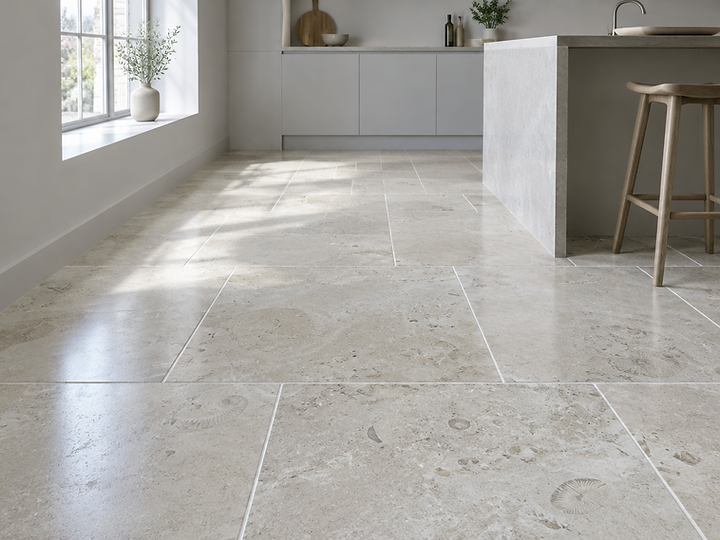
Stone and tile can be long-lasting materials, but they are not all maintained in the same way. A cleaner that is suitable for porcelain could etch marble; a treatment appropriate for one limestone floor may be wrong for another. Identification comes before intervention.
Hemmings provides assessment and restoration for natural stone and tiled floors across Nottinghamshire, Derbyshire and selected surrounding areas. Work can range from deep cleaning and joint care to specialist honing, polishing and protective sealing.
These calcium-based stones can be vulnerable to acidic cleaners and certain household products. Surface dullness may be a coating residue, fine abrasion or genuine etching. Depending on the stone and existing finish, professional honing and polishing may help restore a more consistent surface.
Travertine may contain natural voids or filled areas that need inspection before mechanical work. Cleaning products and treatments must be compatible with the stone.
Slate and sandstone vary in texture and porosity. Colour-enhancing and impregnating products can produce different visual results, so samples are important. Granite is generally hard, but it is not immune to staining, damage or inappropriate treatment.
The condition of grout, moisture and old sealers should be considered alongside the stone itself.
Glazed ceramic and porcelain have different cleaning and sealing requirements from porous natural stone. Many glazed tiles do not need their surface sealed, while grout may benefit from a separate treatment. Quarry tiles and terracotta can require different approaches depending on their porosity and existing coatings.
Aggressive abrasion on glazed or decorated tiles can damage the finish and should not be used as a universal solution.
The restoration method depends on the material and objective:
There is no universal timetable. It depends on the stone, surface treatment, use and existing product. Water-absorption checks may offer an indication on some porous stone, but a full assessment is preferable before reapplying a coating.
Avoid assuming household bleach, vinegar or steam are safe for every natural stone surface. Regular grit removal, pH-appropriate cleaners and prompt spill management are usually helpful. Always use advice specific to the installed material.
Send photographs that show the whole floor and close-ups of staining, dullness or grout issues, together with the approximate area and location.
Work carried out within a Grade II listed Nottingham landmark.

Commercial floor restoration within the church of St Mary's and All Saints, better known as the Crooked Spire.
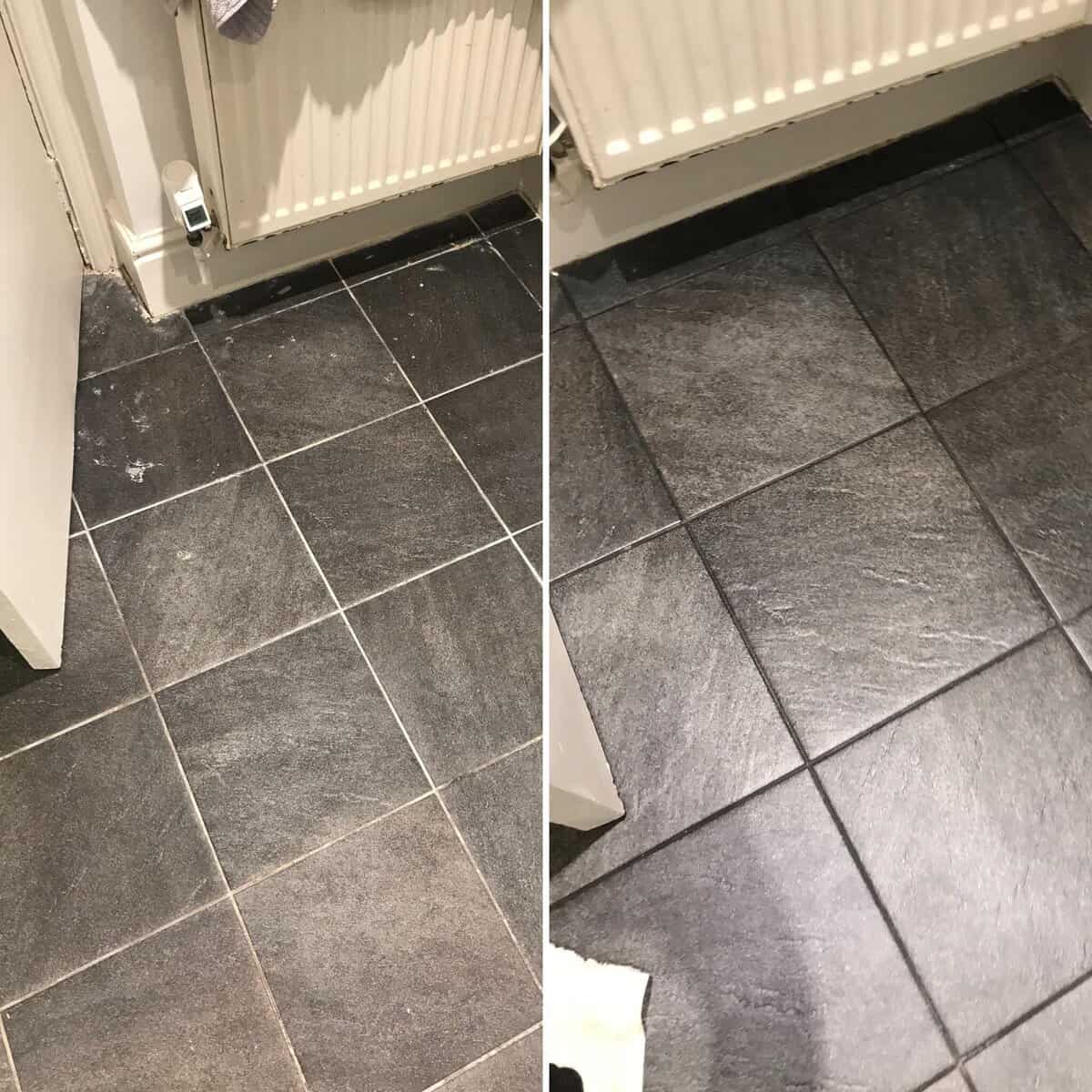
What professional ceramic tile cleaning can improve, how to treat stained grout and when sealing or replacement may be more appropriate.
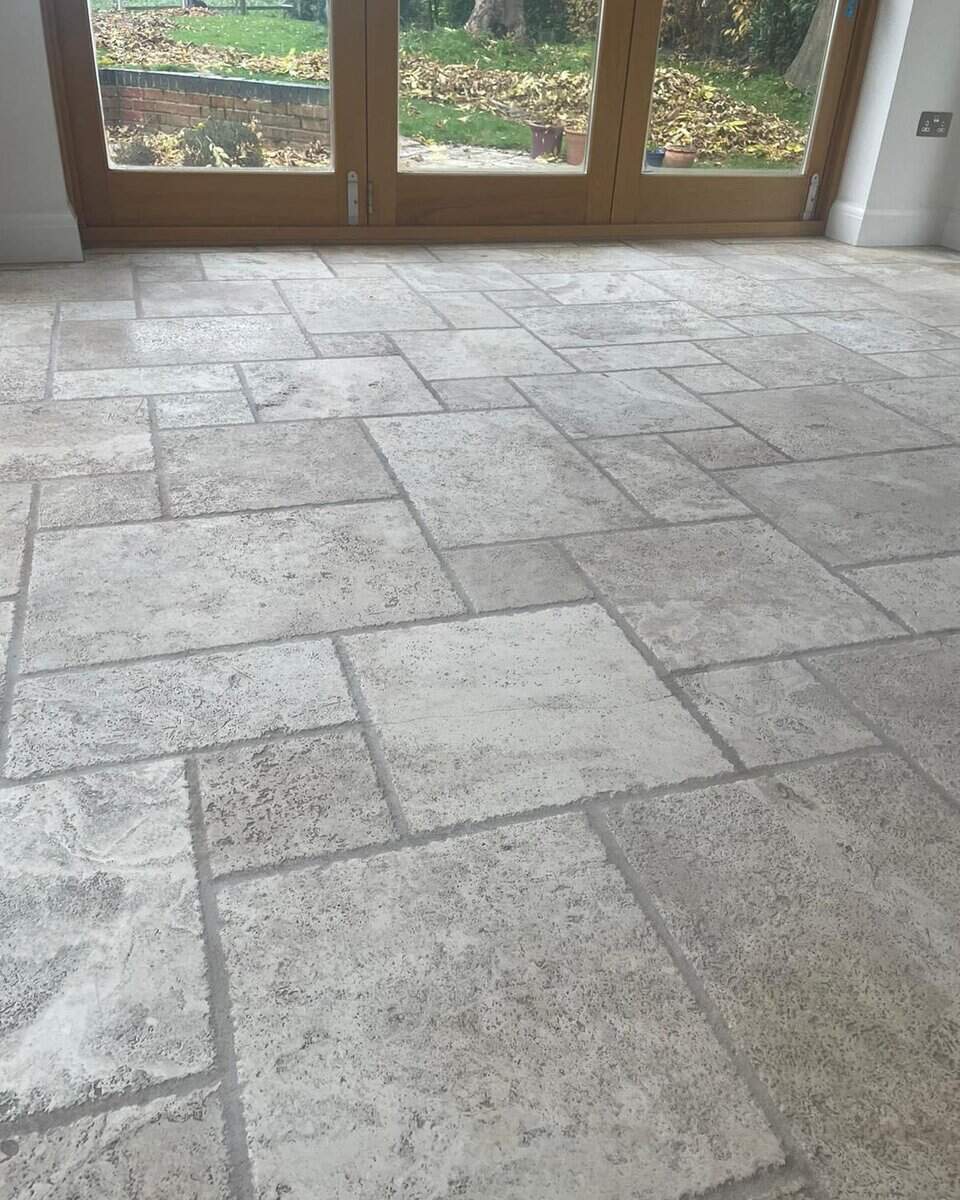
How professional travertine floor restoration can address soil, small voids, worn finishes and suitable polishing or sealing treatments.
When granite floor cleaning, surface polishing or local repairs may help, and why even a hard stone is not completely immune to damage.
Send us photographs, approximate measurements and a postcode. We can discuss the next steps and whether an assessment is needed.