
Luxury Vinyl Tile Cleaning
LVT Cleaning
Professional cleaning and maintenance advice for suitable luxury vinyl tile and plank floors in busy homes and commercial spaces.
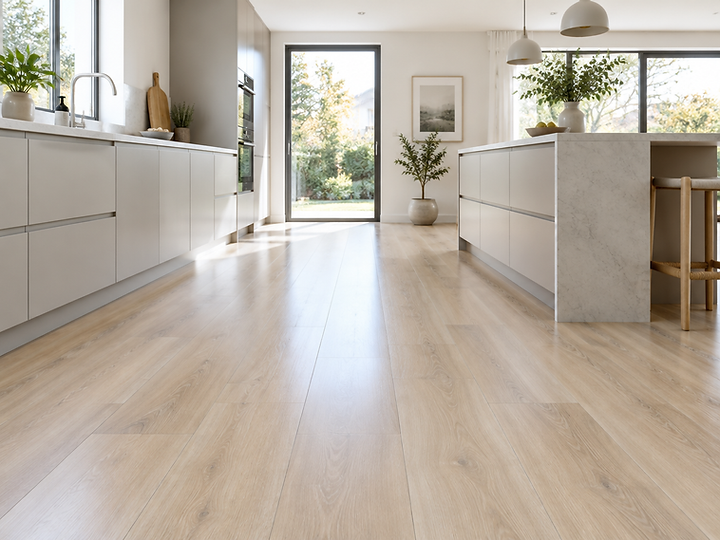
Luxury vinyl tile can imitate wood and stone while requiring a completely different cleaning approach. Its decorative surface sits beneath a manufactured wear layer, so using the wrong chemical, abrasive or equipment can create damage that ordinary cleaning cannot reverse.
Hemmings offers assessment and suitable cleaning of LVT and other vinyl flooring in domestic and commercial environments across Nottinghamshire, Derbyshire and surrounding areas.
Why does LVT become dull?
Dullness may be caused by ingrained soil, detergent residue, traffic abrasion or previous unsuitable treatments. Hallways and entrances collect grit, while kitchens may develop greasy residues. Some floors also carry manufacturer-specific coatings that should not be stripped or re-treated indiscriminately.
Not every dull floor can be made to look new. The difference between soil build-up and physical damage is important.
A floor-specific cleaning method
Before selecting a cleaner or machine, the team should establish the product, wear layer and manufacturer care guidance where available. A suitable test helps identify what can safely be removed.
The process may involve dry soil removal, a compatible cleaning solution, controlled mechanical agitation and effective extraction. Equipment and pads must be chosen so they do not abrade the surface.
Can scratches be removed from LVT?
Cleaning can improve clarity by removing residue, but it cannot restore vinyl material that has been physically cut or deeply worn away. Some product systems offer approved repair or protection options; others require individual tiles to be replaced. A survey establishes realistic expectations.
Should luxury vinyl be polished or sealed?
It depends on the brand, wear layer and approved care system. Applying an unapproved coating can change slip characteristics, appearance or future maintenance. Hemmings should discuss any proposed treatment with reference to the original floor product where possible.
Practical aftercare
- Remove grit with suitable dry cleaning before it abrades the wear layer.
- Use compatible neutral or manufacturer-approved cleaners at the correct dilution.
- Avoid assuming steam, concentrated chemicals or coarse pads are safe.
- Use furniture protection and suitable entrance matting.
- Address standing moisture or damaged joints in accordance with the floor manufacturer's guidance.
Asking about an LVT floor
Send photographs of the full floor and affected areas, the product name if known, approximate dimensions and your postcode. That helps determine whether professional cleaning, maintenance or a different repair approach is appropriate.
Questions we are asked
Talk to us about LVT Cleaning
Send us photographs, approximate measurements and a postcode. We can discuss the next steps and whether an assessment is needed.