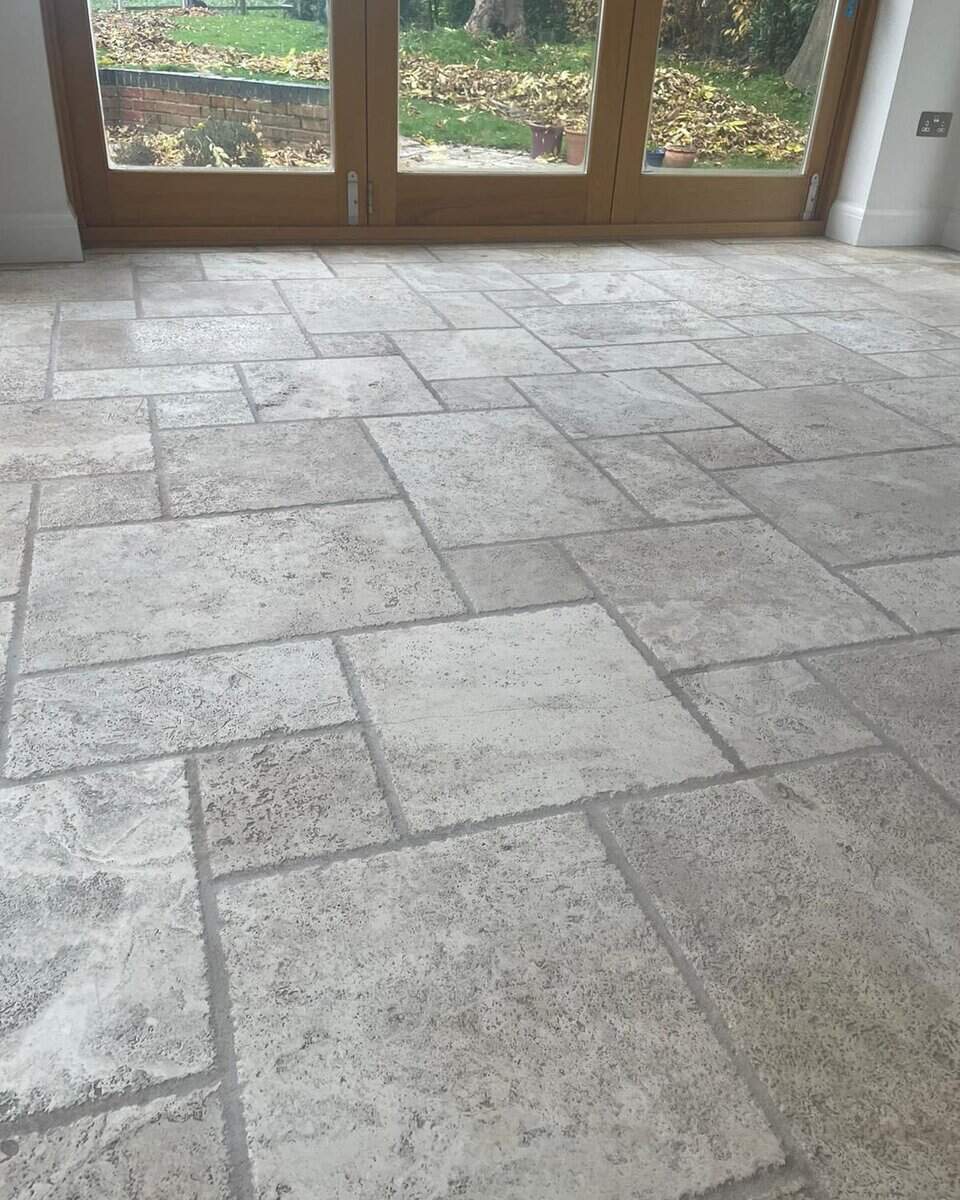
Natural stone advice13 November 2026
Travertine Floor Restoration: Filling, Honing and Sealing
How professional travertine floor restoration can address soil, small voids, worn finishes and suitable polishing or sealing treatments.

What professional ceramic tile cleaning can improve, how to treat stained grout and when sealing or replacement may be more appropriate.
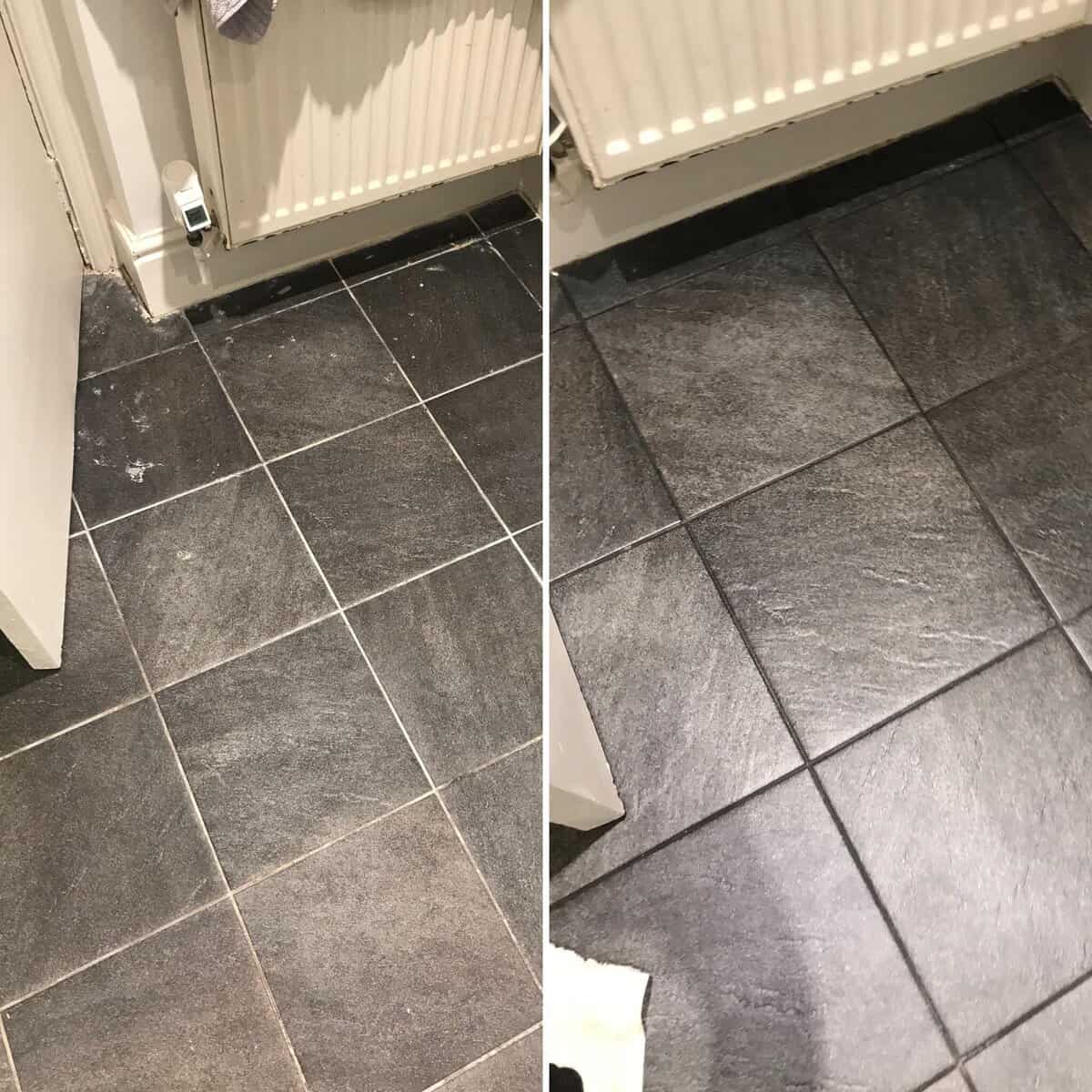
Ceramic floor tiles are often durable and easy to maintain, but dirt can settle in grout and textured surfaces. Repeated use of unsuitable detergents may also leave a film that makes the floor look permanently dull. Suitable restoration work may include deep cleaning of ceramic tile and grout where the surfaces and installation permit it.
Not every mark is a stain in the tile itself. Grease, cleaning-product residue and ingrained soil can be difficult to remove with ordinary mopping. Grout may absorb more dirt than the tile face and can appear grey even when the glazed tile looks clean.
A professional assessment distinguishes removable soil from worn glaze, chips or permanent discolouration. Cleaning cannot restore material that has physically worn away.
The process starts with identifying the tile and testing a compatible cleaner. Suitable mechanical agitation and extraction can help release dirt from textured surfaces and grout lines. Strong acids, inappropriate abrasives and excessive steam should not be treated as universally safe options.
If the grout is damaged or missing, regrouting or a local repair may be more appropriate than another deep clean.
Many glazed ceramic tile faces do not need a sealer. Some unglazed products and certain grout materials have different needs. Any treatment should suit the actual tile, installation and manufacturer advice.
Remove grit, use a correctly diluted cleaner and rinse away residues where required. Avoid coatings that can leave a sticky film or change the surface's slip properties. Persistent dampness or repeated staining around joints should be assessed, rather than simply hidden with a surface product.
Cracked tiles, loose units, damaged glaze or structurally failed grout may need repair or replacement. A survey can determine whether cleaning, grout work or a more extensive intervention is sensible.
Send photographs of the tiles and grout, including problem areas, and include approximate room dimensions and location.
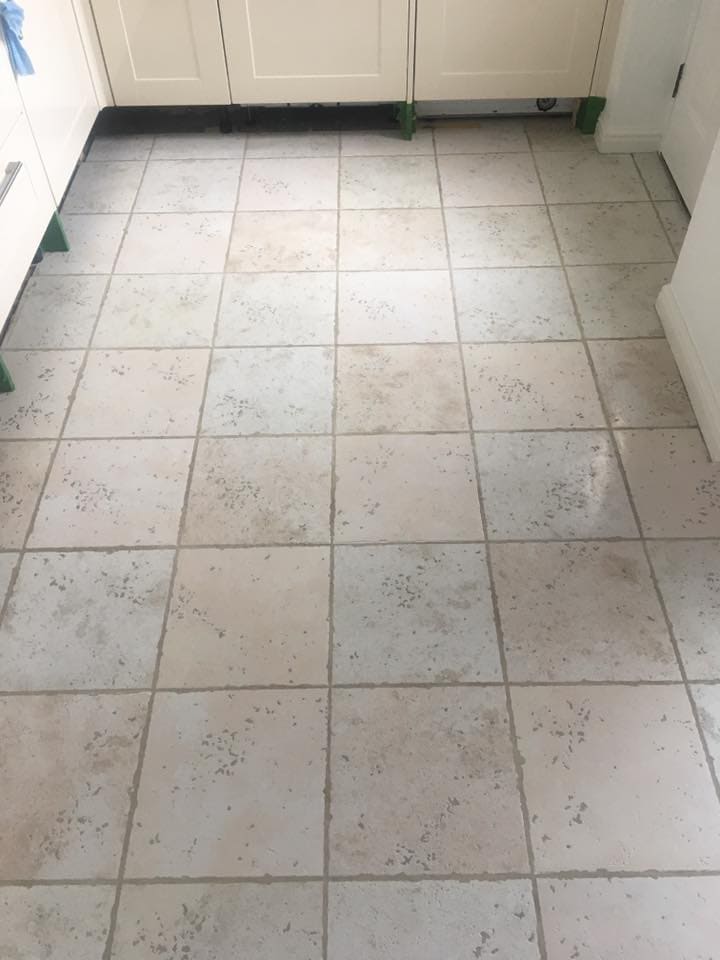
How professional travertine floor restoration can address soil, small voids, worn finishes and suitable polishing or sealing treatments.
When granite floor cleaning, surface polishing or local repairs may help, and why even a hard stone is not completely immune to damage.
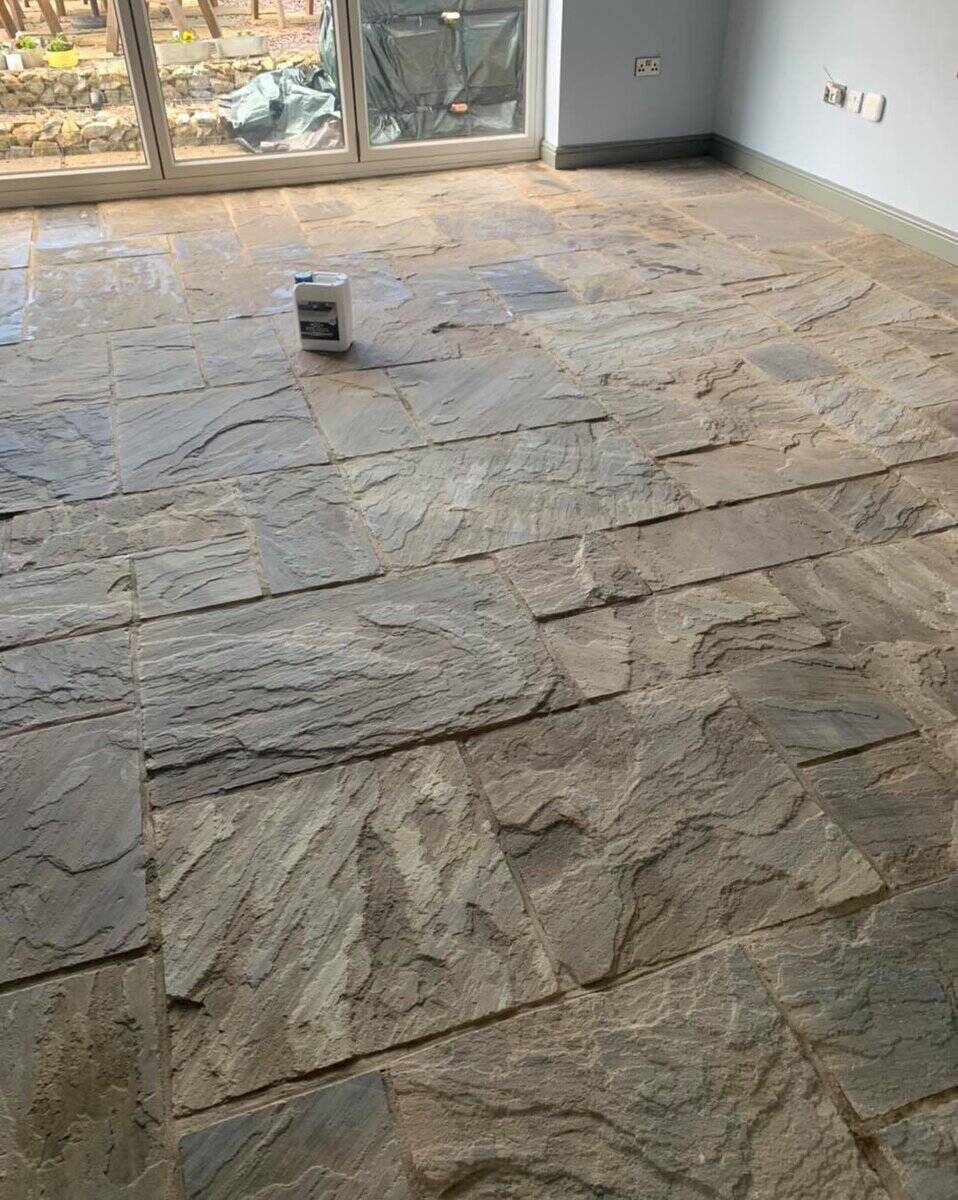
An introduction to assessing dark basalt floors, choosing appropriate cleaning or honing methods and protecting the finish without overpromising results.
Photographs, approximate measurements and a postcode are enough for us to give you an initial view.