Tile restoration advice13 November 2026
Ceramic Tile and Grout Cleaning: Professional Restoration Options
What professional ceramic tile cleaning can improve, how to treat stained grout and when sealing or replacement may be more appropriate.

An introduction to assessing dark basalt floors, choosing appropriate cleaning or honing methods and protecting the finish without overpromising results.
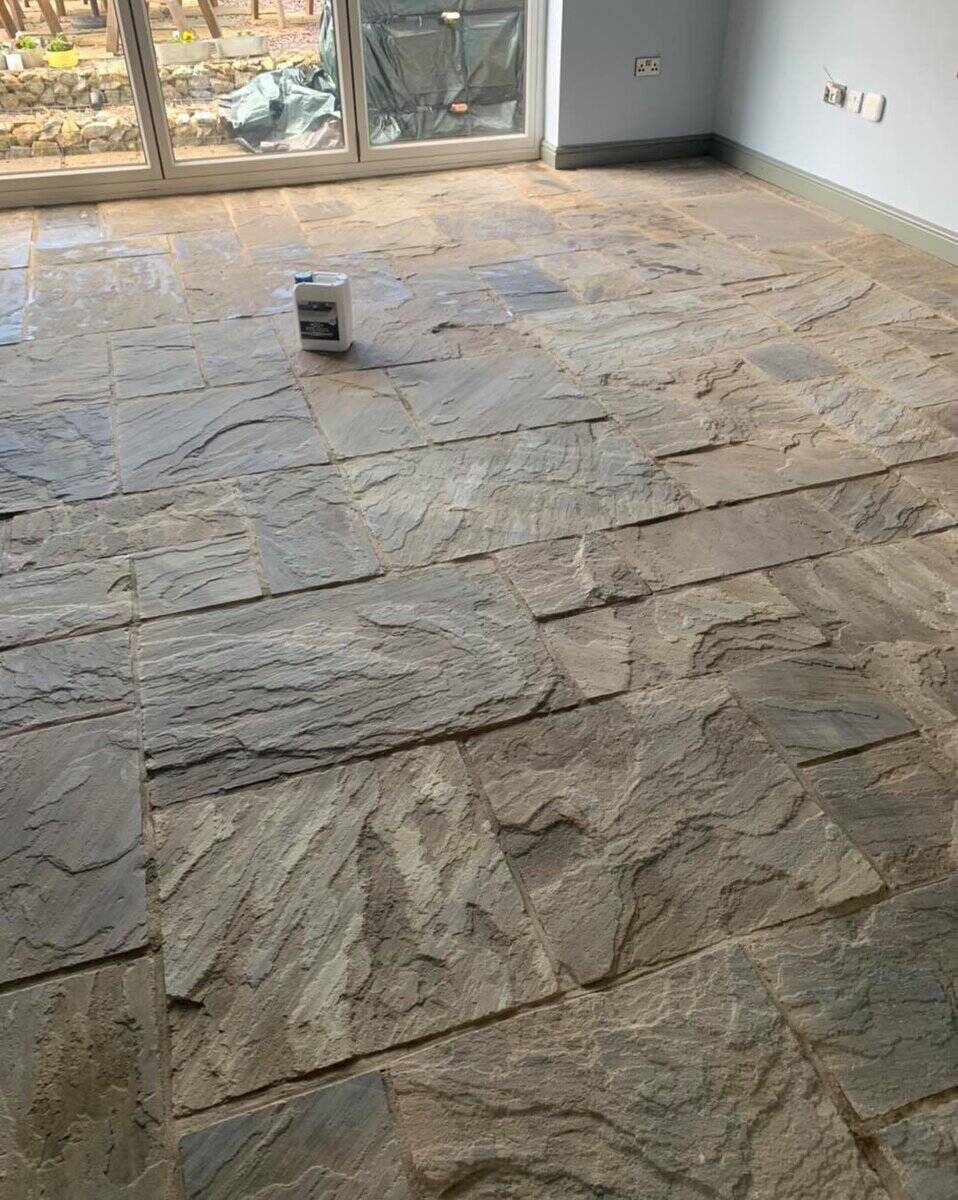
Basalt is a dark, volcanic stone that can give a floor a striking, restrained appearance. Its exact porosity and surface finish vary, however, so there is no single cleaning or polishing method that suits every installation. The archived Hemmings website describes professional cleaning, surface levelling and sealing for suitable basalt floors.
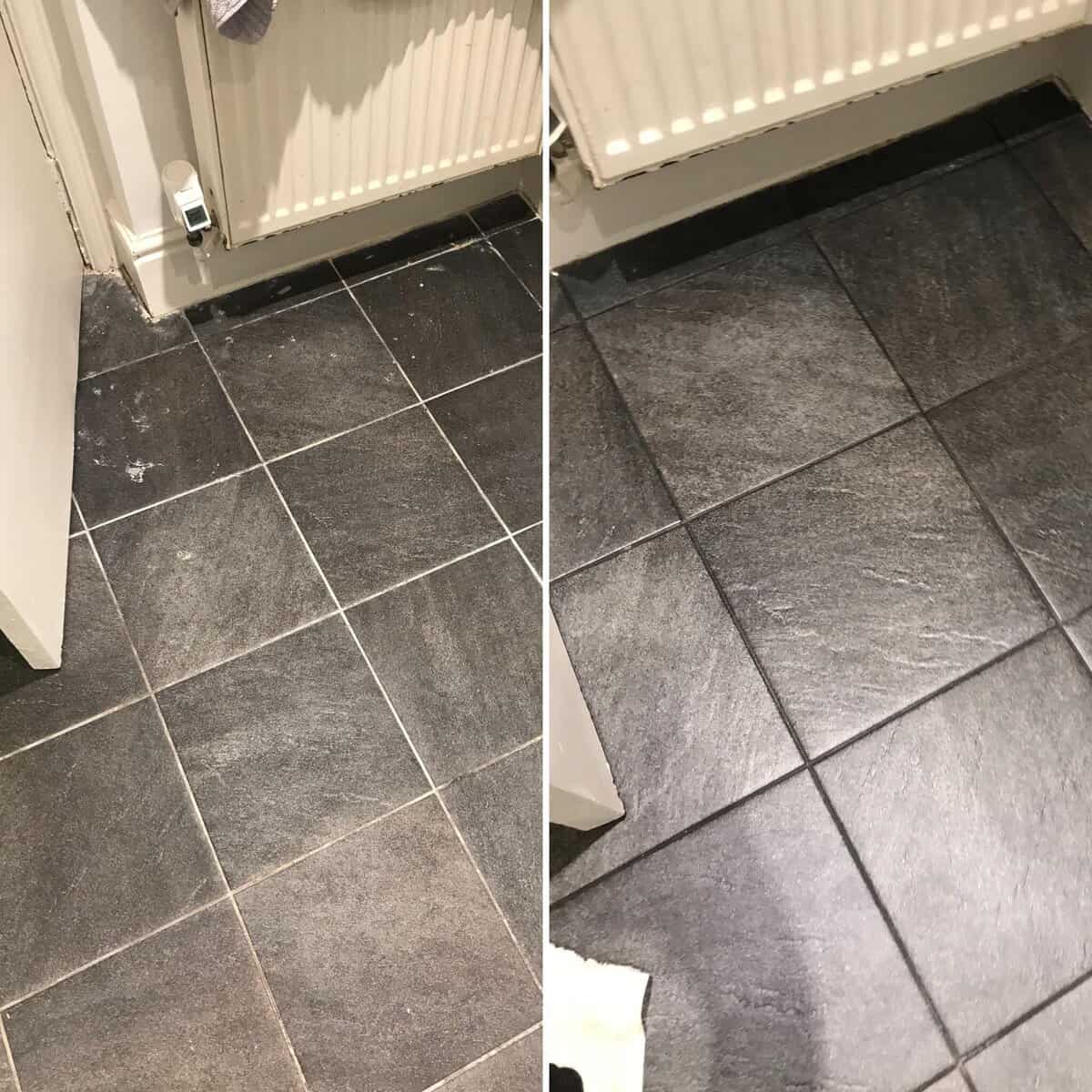
Soil and detergent film can dull the surface. Scuffs and fine abrasion may be easier to see under strong directional light, while mineral deposits or some stains can contrast with the dark stone. Old coatings sometimes become patchy as they wear.
The first decision is whether the problem sits on top of the stone or involves the stone surface itself. A cleaning test can help distinguish the two.
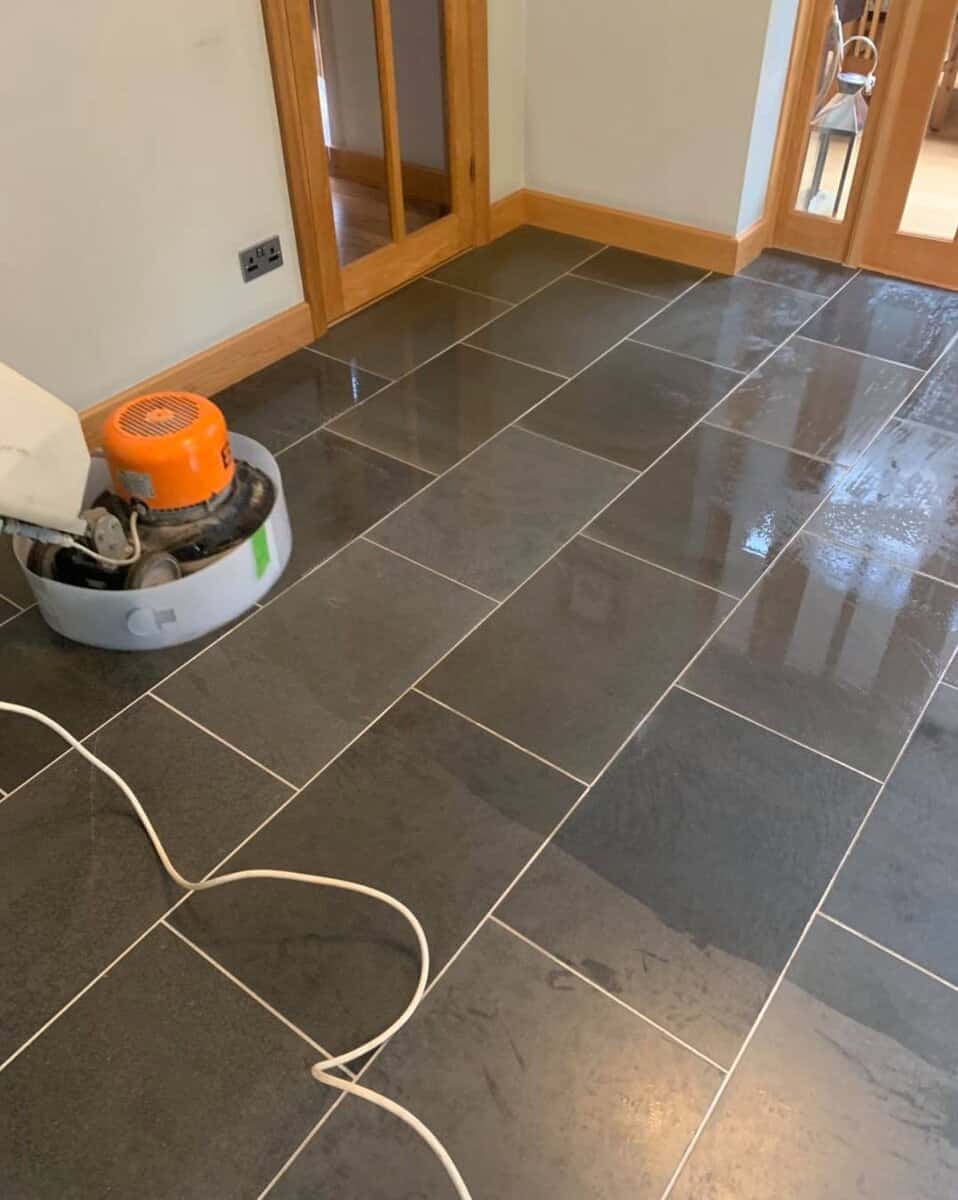
A compatible deep clean may improve a floor affected by residue and general traffic. Other surfaces may need carefully chosen mechanical honing or polishing. Grinding to address raised tile edges at grout joints is an option only if the stone thickness, fixing and condition permit it.
Natural differences in individual basalt tiles may remain visible after treatment. A sample area can establish the likely appearance before undertaking a large floor.
Some types of basalt are more absorbent than others. A compatible impregnating treatment may help manage certain spills, but a sealer is not a substitute for prompt cleaning and will not prevent all marking. Coloured or enhancing treatments should be tested because they may change the dark tone noticeably.
Outdoor floors face drainage, frost, organic growth and slip considerations that differ from internal rooms. The stone's surface texture and any previous treatment should be considered before recommending cleaning, grinding or protection. A highly polished finish may not be appropriate for a wet external setting.
Use the floor's recommended cleaner, remove grit and avoid applying strong chemicals without checking compatibility. Where a sealer has been used, record the product and maintenance instructions for future care.
Provide the location, floor size, photographs showing the overall surface and close-ups of stains, scratches or joints.
What professional ceramic tile cleaning can improve, how to treat stained grout and when sealing or replacement may be more appropriate.
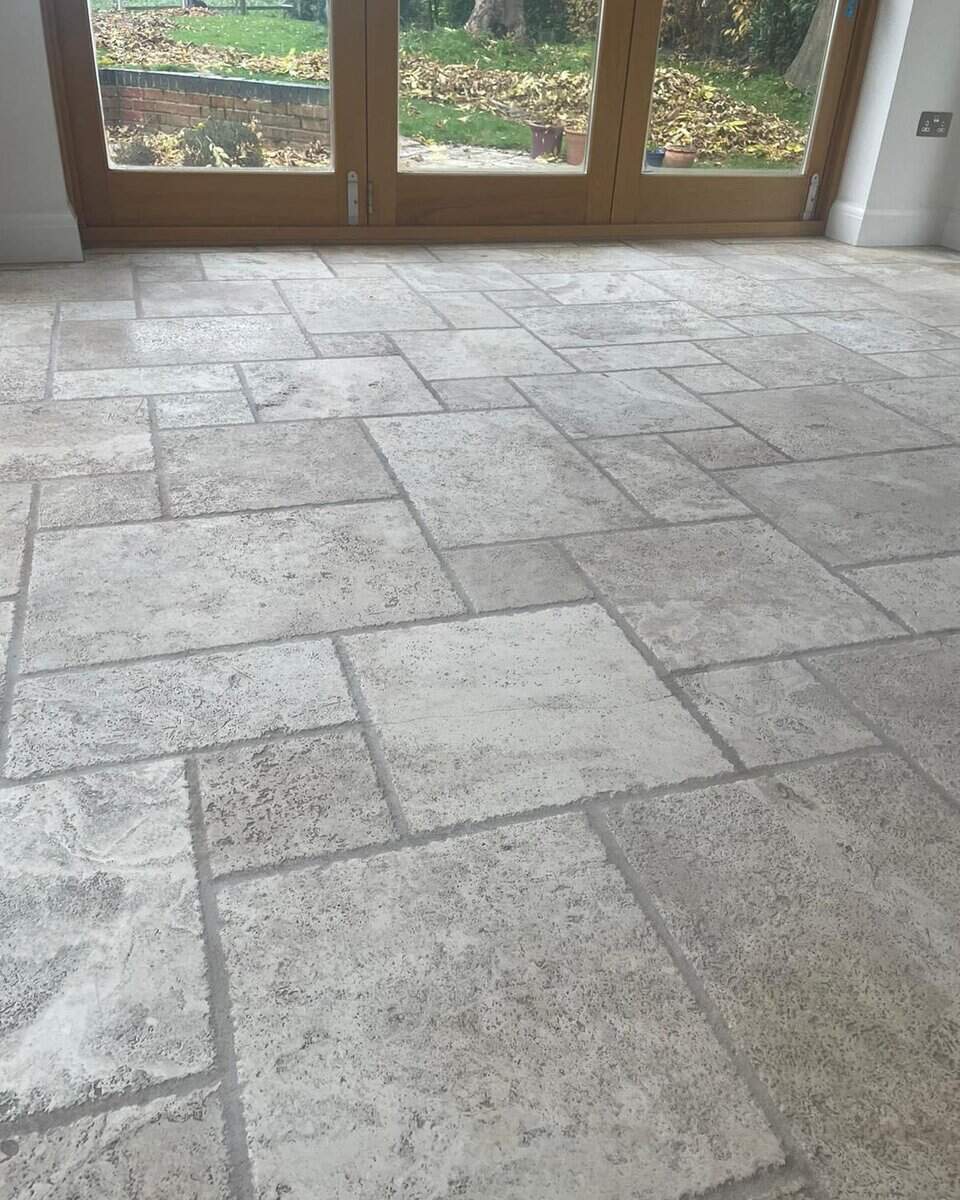
How professional travertine floor restoration can address soil, small voids, worn finishes and suitable polishing or sealing treatments.
When granite floor cleaning, surface polishing or local repairs may help, and why even a hard stone is not completely immune to damage.
Photographs, approximate measurements and a postcode are enough for us to give you an initial view.