Tile restoration advice13 November 2026
Ceramic Tile and Grout Cleaning: Professional Restoration Options
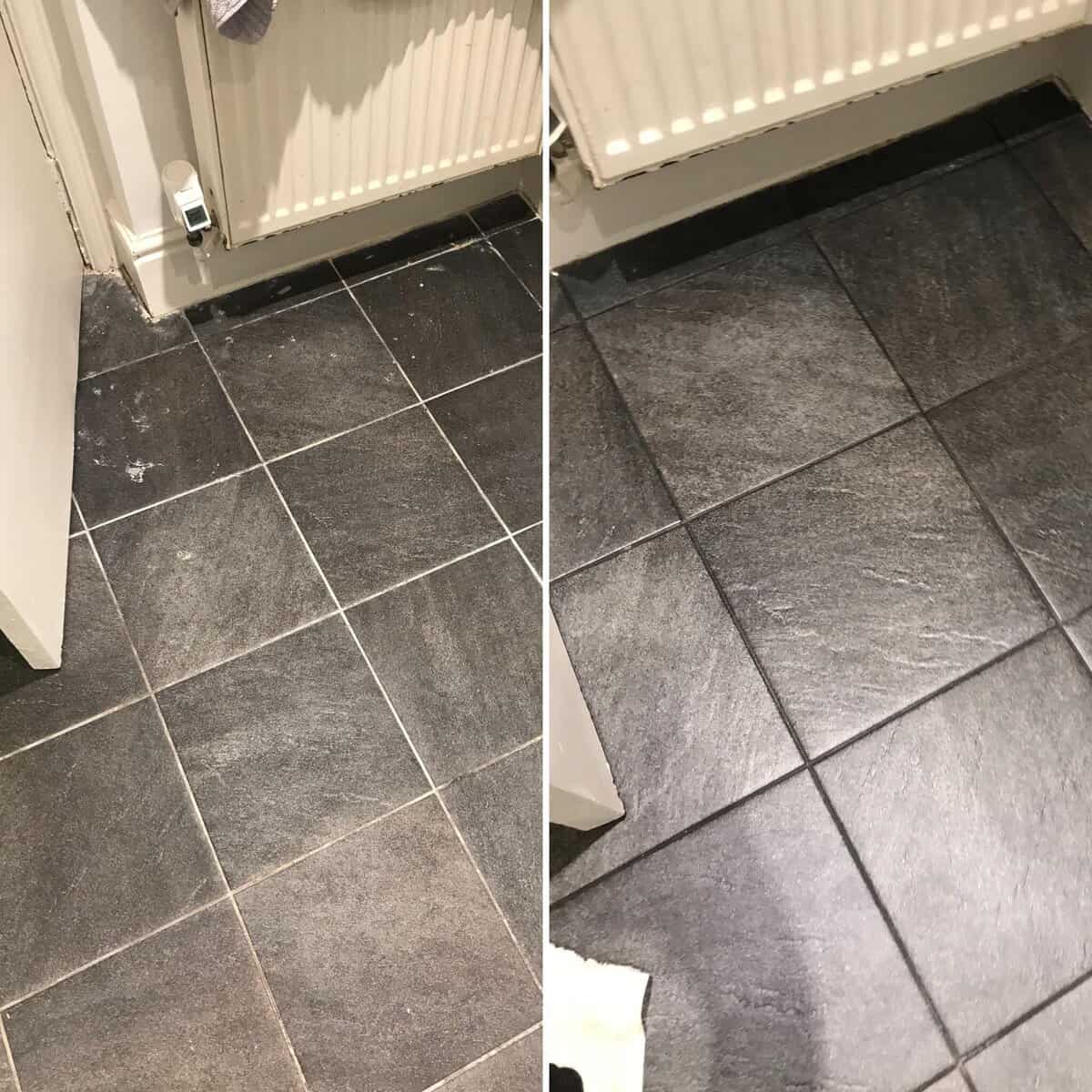
What professional ceramic tile cleaning can improve, how to treat stained grout and when sealing or replacement may be more appropriate.

Practical corrections to common assumptions about stone sealing, acidic cleaners, steam cleaning and replacing worn floors.
Stone and tile floors are often damaged by well-intentioned cleaning rather than neglect. The material matters: marble behaves differently from porcelain, slate, terracotta or historic encaustic tile.
Many impregnating sealers slow liquid absorption; they do not create a completely waterproof floor. Some stone is naturally less absorbent than other types, and a coating that suits one surface may not suit another. Spills should still be removed promptly.
An aggressive cleaning chemical can remove dirt and damage the floor at the same time. Acidic cleaners may etch marble and limestone, while unsuitable products can affect grout, protective films or historic tiles. Identify the surface and test compatible products before treating a large area.
Glazed porcelain and ceramic tiles often do not require sealing of their face. Porous stone, terracotta and certain unglazed tiles may benefit from appropriate protection. Grout can have different needs from the surrounding tile.
Steam introduces heat and moisture. Its suitability depends on the floor material, installed adhesive, grout, joints and any coatings. Manufacturer restrictions should be checked first.
Dulling may come from soiling, traffic wear or chemical etching. Some surfaces can be improved through cleaning, honing or polishing; others may have deeper structural problems. Restoration can be worthwhile, but it is not always cheaper or more practical than replacement.
Find out what the floor is made of, what has previously been applied and how it is normally cleaned. Where there is uncertainty, a material-specific survey or discreet test patch can avoid expensive mistakes.
Marble, natural stone sealing and historic tiled floors each need their own appropriate methods, making this a starting point rather than a one-size-fits-all instruction sheet.
What professional ceramic tile cleaning can improve, how to treat stained grout and when sealing or replacement may be more appropriate.
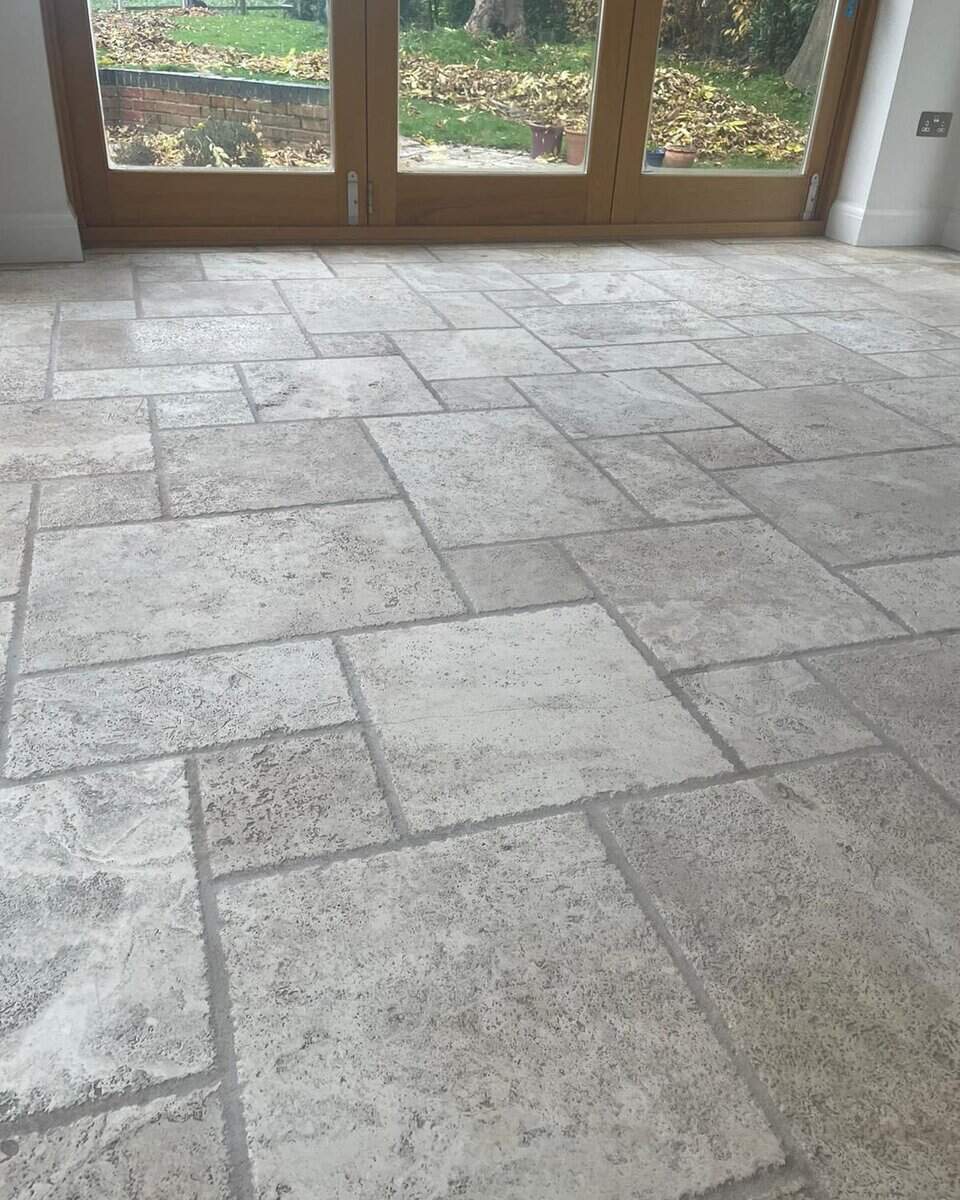
How professional travertine floor restoration can address soil, small voids, worn finishes and suitable polishing or sealing treatments.
When granite floor cleaning, surface polishing or local repairs may help, and why even a hard stone is not completely immune to damage.
Photographs, approximate measurements and a postcode are enough for us to give you an initial view.