Tile restoration advice13 November 2026
Ceramic Tile and Grout Cleaning: Professional Restoration Options
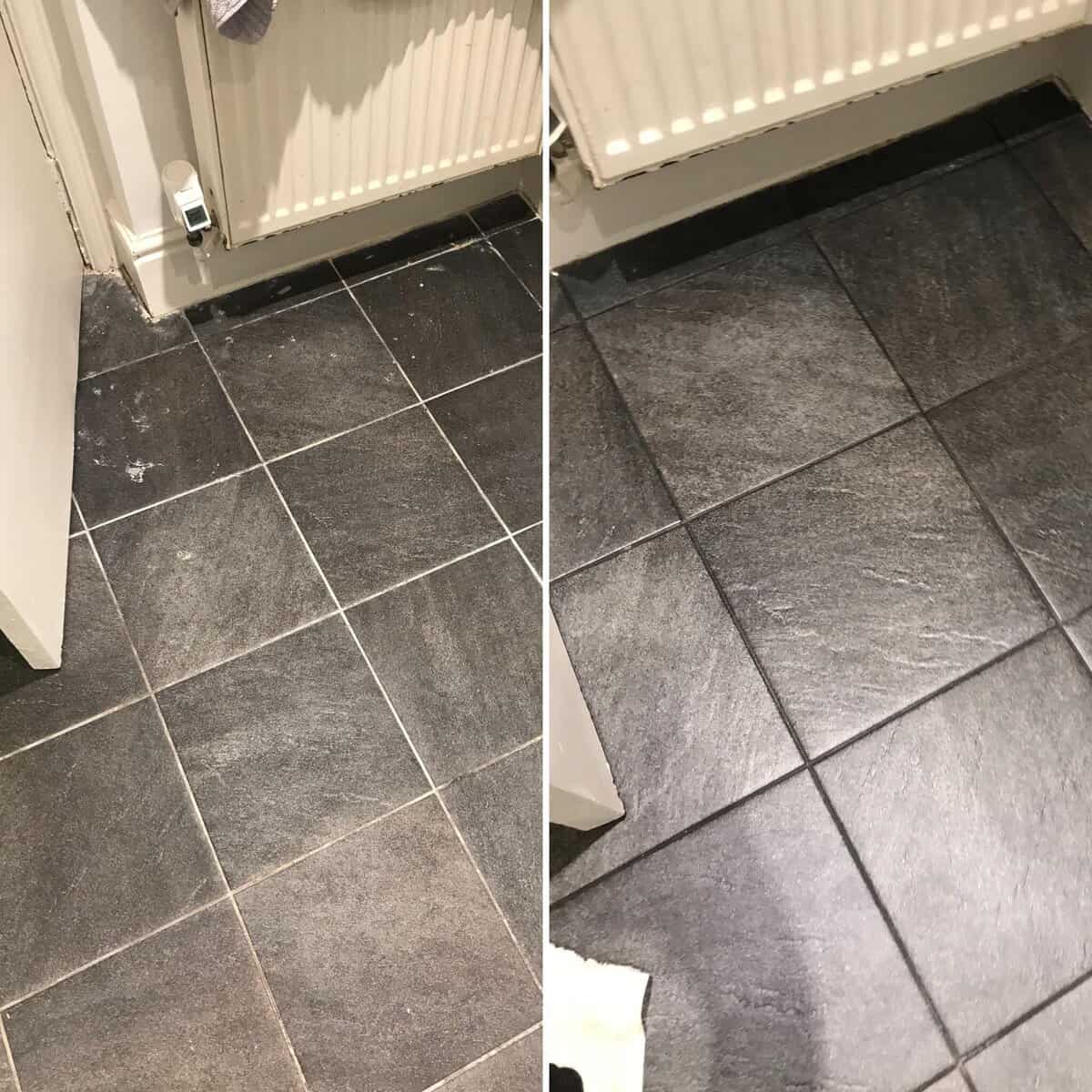
What professional ceramic tile cleaning can improve, how to treat stained grout and when sealing or replacement may be more appropriate.

Practical guidance for cleaning and protecting terracotta tiles without damaging their porous clay surface or covering up moisture problems.
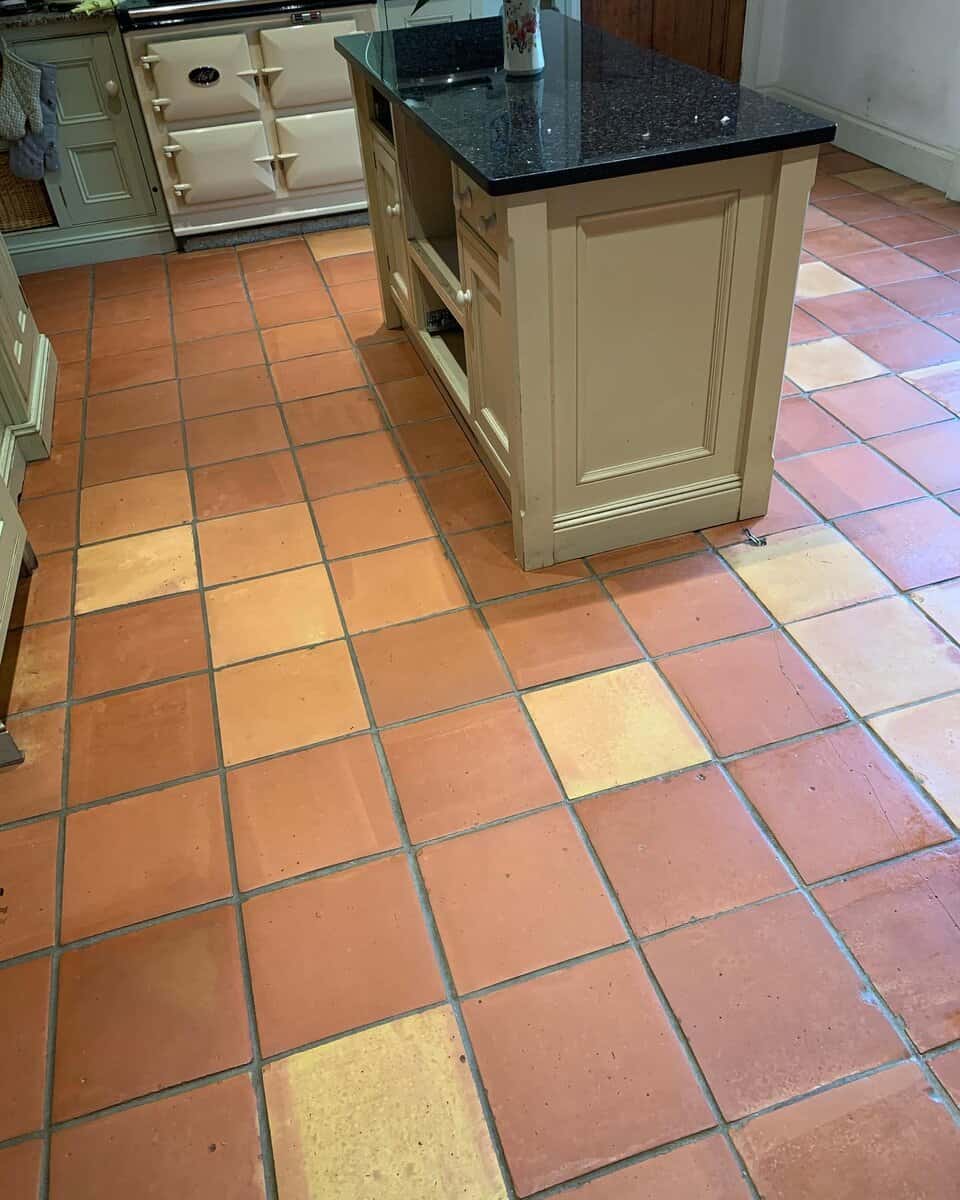
Terracotta brings natural colour and texture to a floor, but it can be vulnerable to ingrained dirt and inappropriate treatment. The tile is made from fired clay and commonly has a porous, absorbent surface. Where suitable, restoration may involve cleaning, removing old surface treatments and applying a compatible finish.
Many terracotta surfaces absorb water quickly unless adequately treated. Spills, grease and detergent residues can therefore leave stubborn marks. Historic treatments such as waxes or surface films may also change the appearance over time. If a floor is affected by moisture from beneath, placing another coating over the problem can make future maintenance harder.
Terracotta is not the same as glazed ceramic or porcelain. A process that safely cleans one may be too harsh for another.
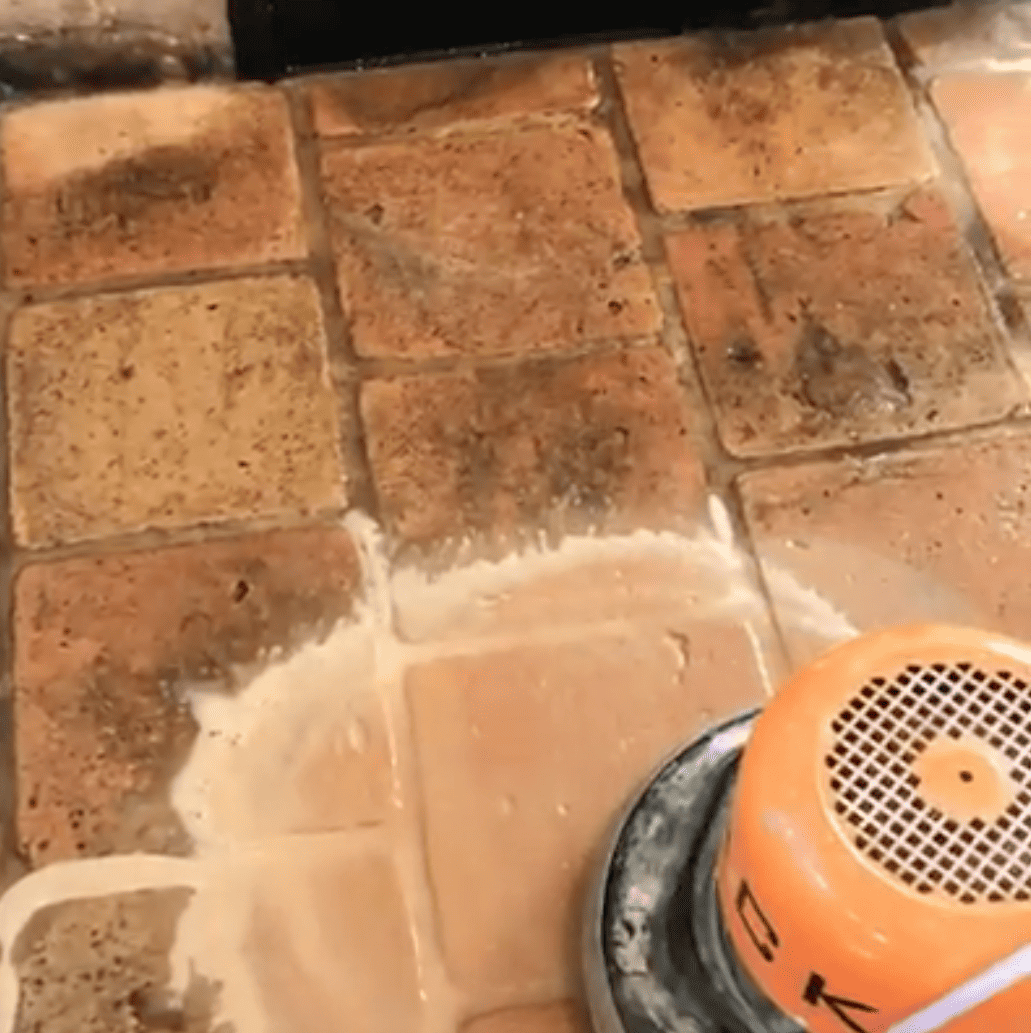
A suitable survey checks tile stability, grout, porosity, moisture, previous coatings and the desired appearance. A tested cleaning process can loosen and extract compatible dirt and residue. Old sealers may require a specialist stripper selected for the particular coating and clay surface.
The original Hemmings service page discusses natural-look and colour-enhancing sealers. These can give noticeably different results. A test patch is important because terracotta varies in shade and absorption.
Some owners prefer the earthy, lighter appearance of the untreated material. Others want a deeper terracotta colour. The floor's use, previous coating, moisture movement and maintenance expectations should determine the finish rather than a single universal recommendation.
Do not assume vinegar, concentrated household cleaner, steam or aggressive pads are harmless. Follow advice specific to the floor and any protective treatment. Avoid prolonged standing water and remove grit regularly.
Loose tiles, persistent white deposits, recurring damp patches or areas where previous coatings fail may point to conditions beyond surface dirt. These should be examined before further sealing.
Send photographs showing overall colour, problem areas and joints, along with rough measurements and your postcode. The team can then discuss whether cleaning, coating removal or repairs should be explored.
What professional ceramic tile cleaning can improve, how to treat stained grout and when sealing or replacement may be more appropriate.
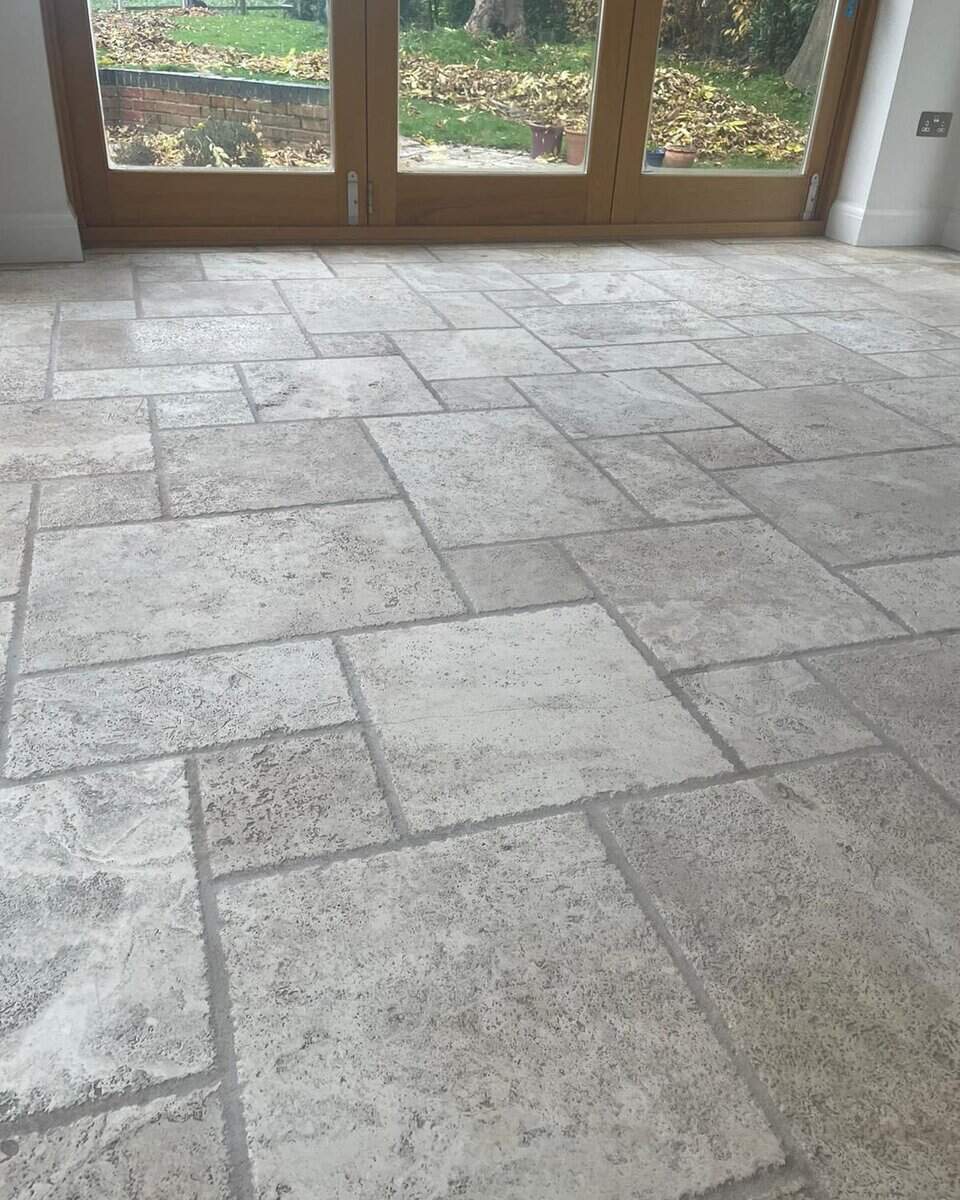
How professional travertine floor restoration can address soil, small voids, worn finishes and suitable polishing or sealing treatments.
When granite floor cleaning, surface polishing or local repairs may help, and why even a hard stone is not completely immune to damage.
Photographs, approximate measurements and a postcode are enough for us to give you an initial view.