Tile restoration advice13 November 2026
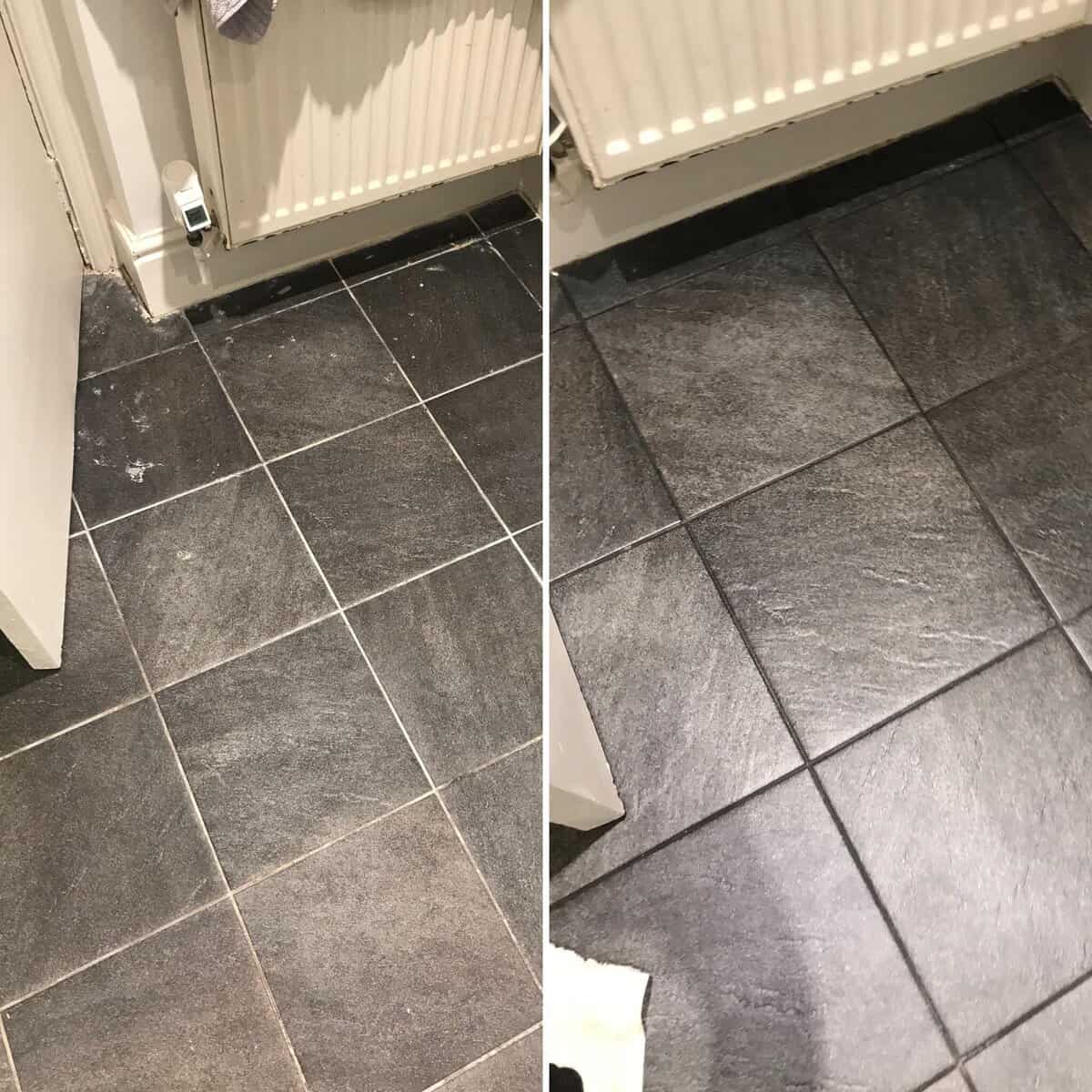
Ceramic Tile and Grout Cleaning: Professional Restoration Options
What professional ceramic tile cleaning can improve, how to treat stained grout and when sealing or replacement may be more appropriate.

What property owners should know about protecting natural stone tiles, selecting sealers and planning suitable maintenance.
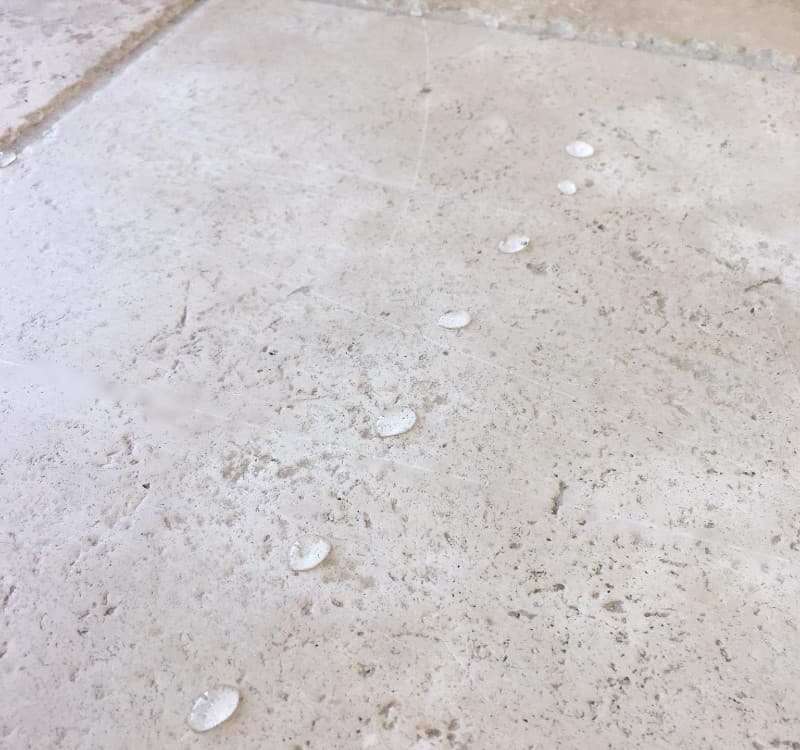
Natural stone can be affected by staining, moisture and unsuitable cleaning products. The right protective treatment depends on the stone, its surface finish, location and how the floor is used.
Many natural stones have pores that can absorb spills. A suitable sealer may improve stain resistance and make routine maintenance easier; it does not make a floor stain-proof or remove the need for careful cleaning.
An impregnating treatment is designed to penetrate the stone and help reduce absorption while leaving much of its natural appearance. Some formulas subtly enhance colour. A topical coating forms a layer over the surface and may change sheen or wear behaviour. Selecting between these approaches involves the material's moisture conditions, appearance and maintenance requirements.
Always establish whether the stone is already sealed or coated before applying another product. Wrong-product combinations can cause poor adhesion or patchiness.
Follow the manufacturer's curing instructions. Use a cleaner suitable for the specific stone and sealer, avoid aggressive or acidic products on sensitive stone, and review protection if the surface begins absorbing liquids more easily.
What professional ceramic tile cleaning can improve, how to treat stained grout and when sealing or replacement may be more appropriate.
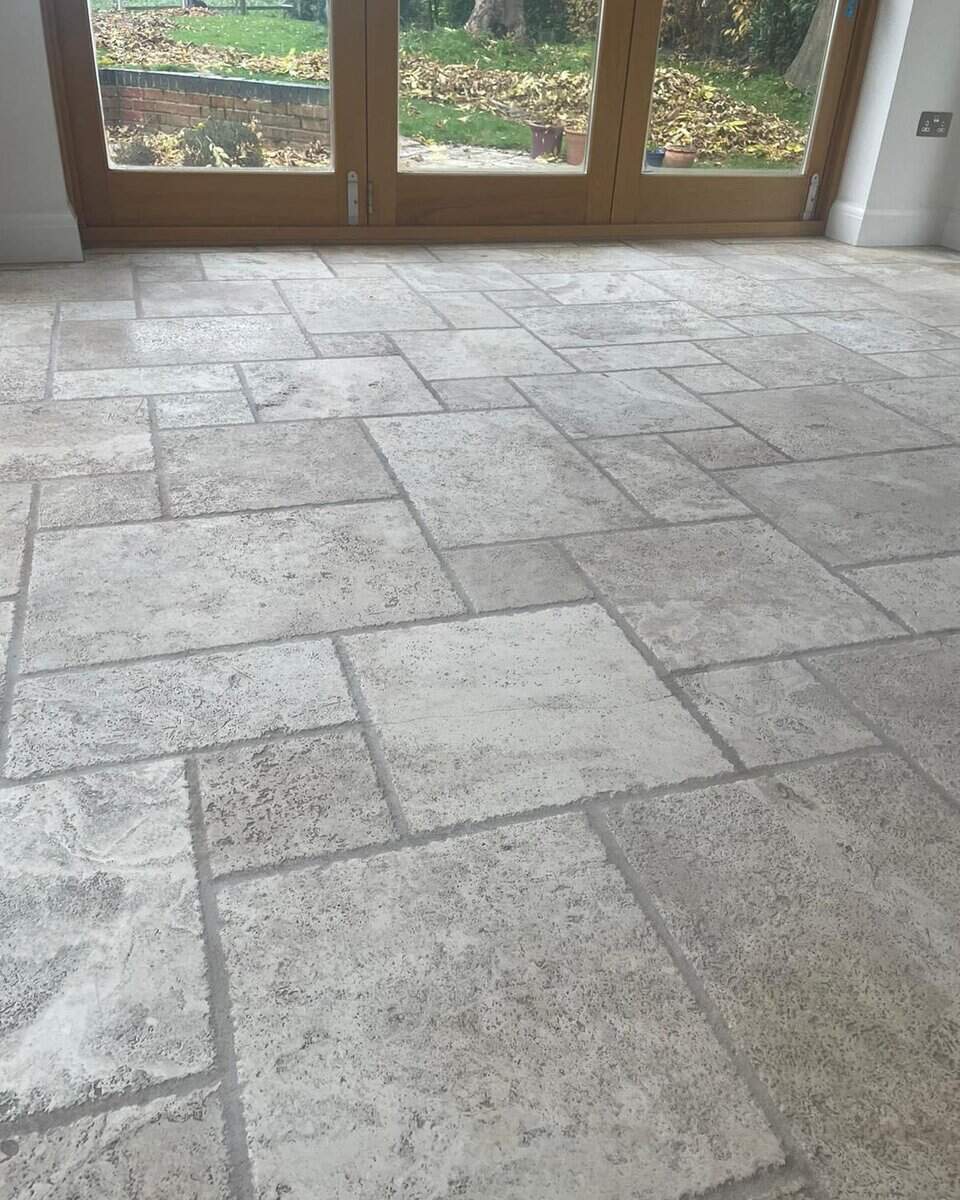
How professional travertine floor restoration can address soil, small voids, worn finishes and suitable polishing or sealing treatments.
When granite floor cleaning, surface polishing or local repairs may help, and why even a hard stone is not completely immune to damage.
Photographs, approximate measurements and a postcode are enough for us to give you an initial view.