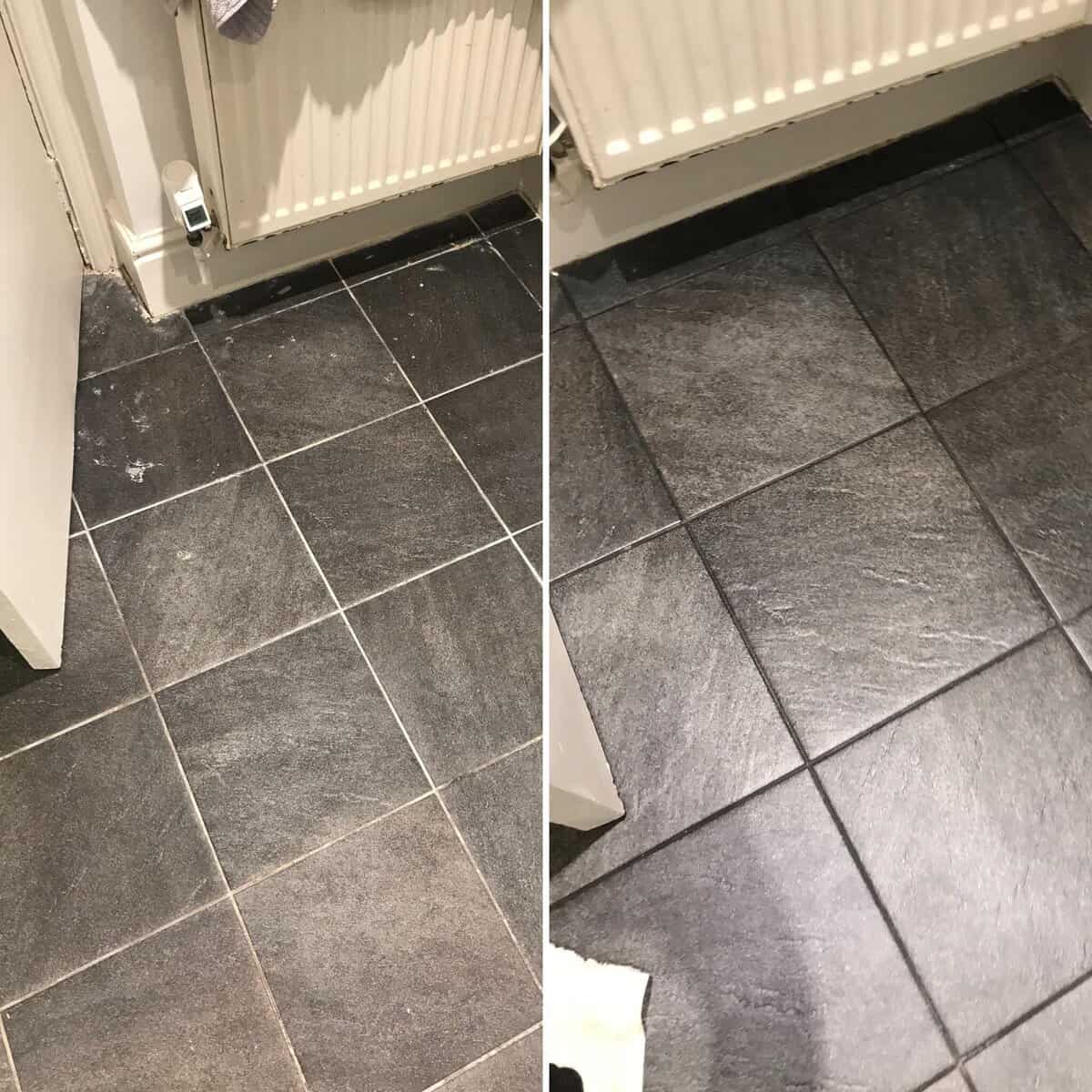
Tile restoration advice13 November 2026
Ceramic Tile and Grout Cleaning: Professional Restoration Options
What professional ceramic tile cleaning can improve, how to treat stained grout and when sealing or replacement may be more appropriate.

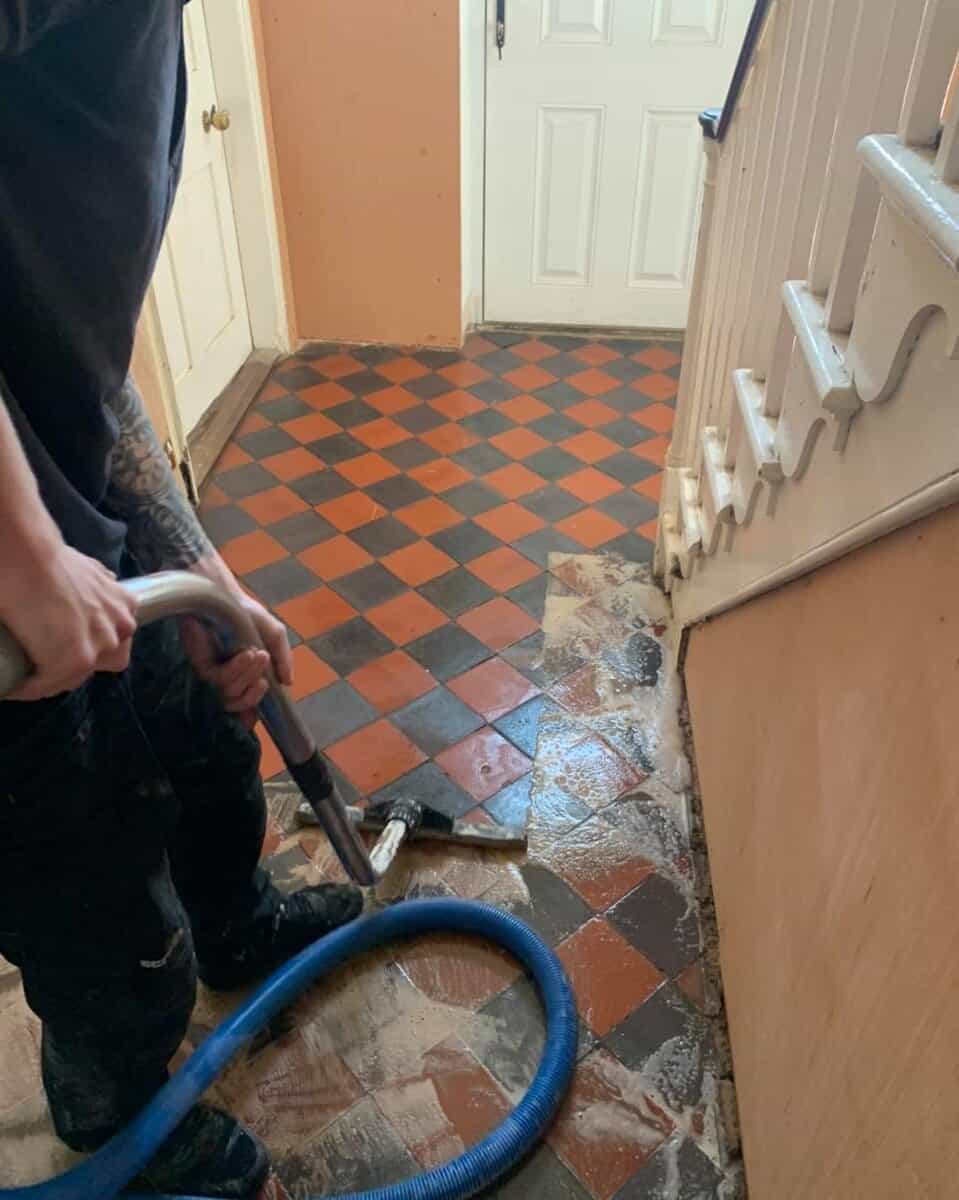
A guide to restoring porous quarry tiled floors, from removing worn coatings and grime to choosing natural or colour-enhancing protection.
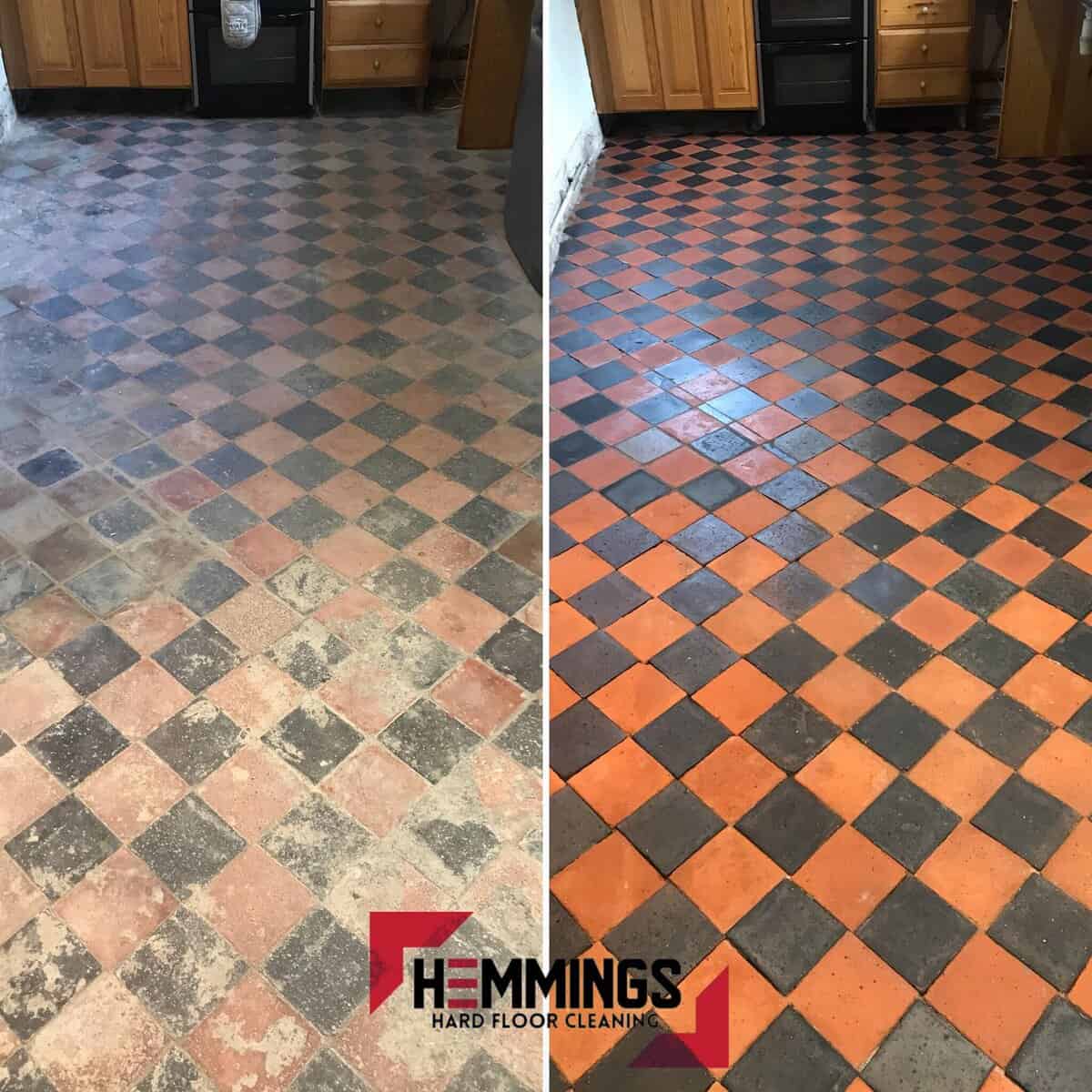
Quarry tiles are commonly found in kitchens, corridors, utilities and older properties. Their robust appearance can disguise ingrained grease, old treatments and staining. Quarry tile restoration may involve deep cleaning and suitable protection, with a choice between a natural appearance and a colour-enhancing treatment where appropriate.
Traditional quarry tiles are generally unglazed and may absorb liquids depending on their body, age and previous treatment. Red is familiar, but floors also appear in other colours and finishes. Some quarry tile floors sit on older construction that must be considered before applying an impermeable coating.
Dirt can become embedded in textured surfaces and grout lines. A glossy patch may be residue from old sealer or polish, not the original tile finish.
The first step is to identify the tile and check for loose sections, moisture issues or previous coatings. The correct cleaner and method are tested in a small area. Depending on the condition, work may involve:
A heavily soiled floor may need more than one pass, but aggressive acid or abrasion is not the default solution.
The older Hemmings page describes both natural-look and enhancing sealers. A colour enhancer can darken or enrich the tile, while a suitable natural-look system may leave less visible change. Neither is automatically right for an old floor, and any moisture considerations should be assessed first. Always test the product on the actual surface.
Sweep or vacuum grit, use a cleaner compatible with the chosen surface treatment and avoid repeated saturation. If the tile starts to develop white deposits or damp marks, seek advice before coating over them.
Photographs of the floor, grout and any unusual staining, alongside approximate measurements and location, are useful for an initial assessment.
What professional ceramic tile cleaning can improve, how to treat stained grout and when sealing or replacement may be more appropriate.
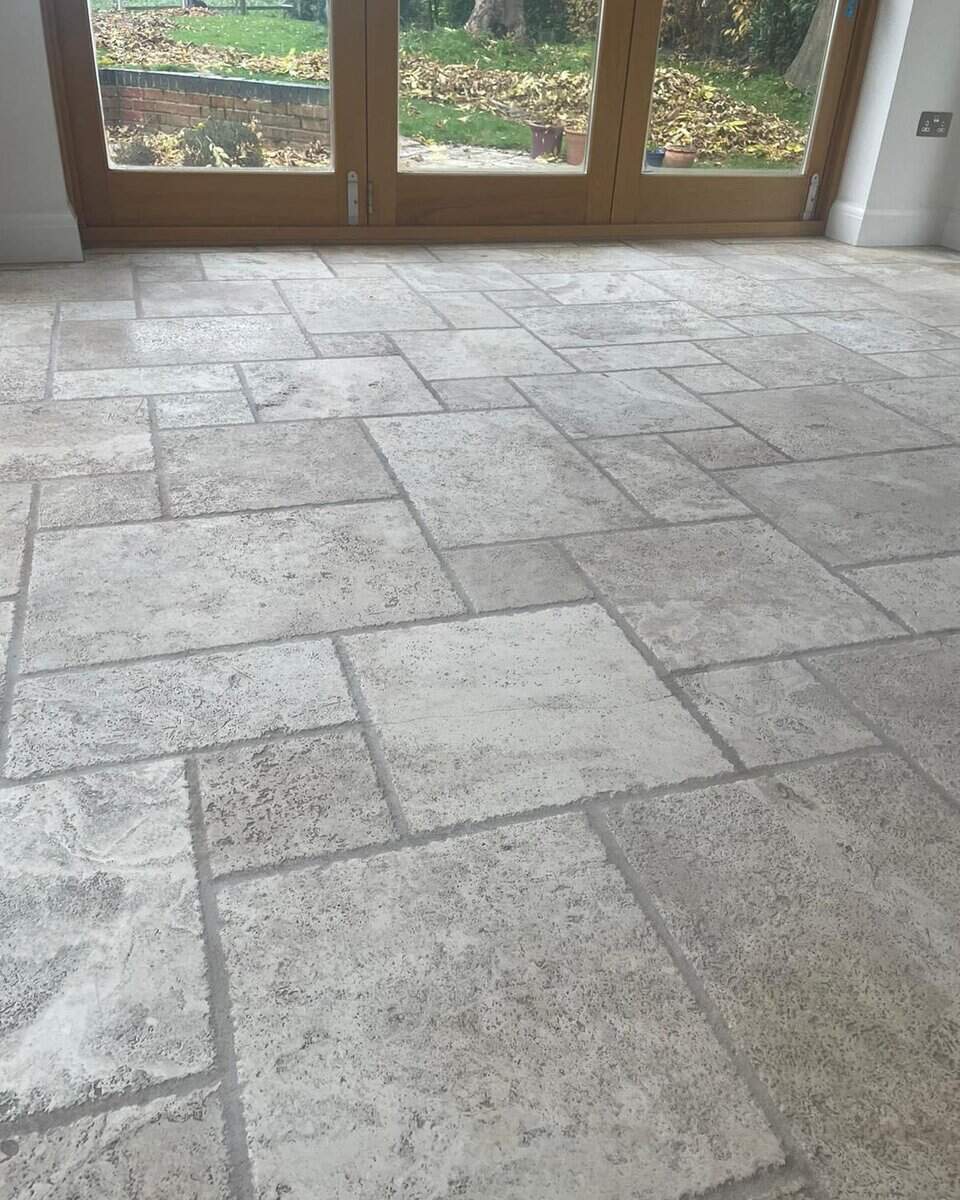
How professional travertine floor restoration can address soil, small voids, worn finishes and suitable polishing or sealing treatments.
When granite floor cleaning, surface polishing or local repairs may help, and why even a hard stone is not completely immune to damage.
Photographs, approximate measurements and a postcode are enough for us to give you an initial view.