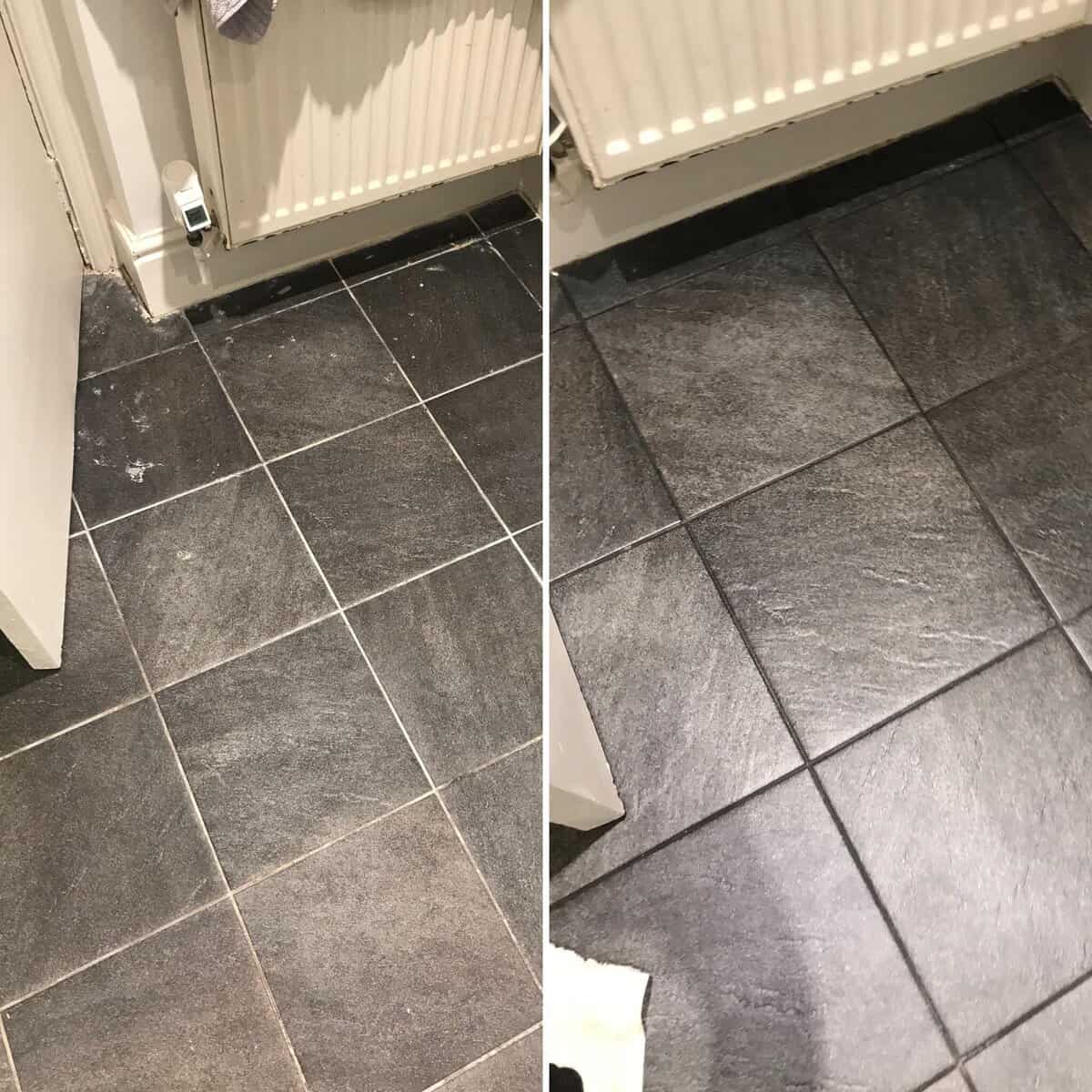
Tile restoration advice13 November 2026
Ceramic Tile and Grout Cleaning: Professional Restoration Options
What professional ceramic tile cleaning can improve, how to treat stained grout and when sealing or replacement may be more appropriate.

What to expect when restoring original parquet flooring, from loose-block repairs and careful sanding to selecting a suitable finish.
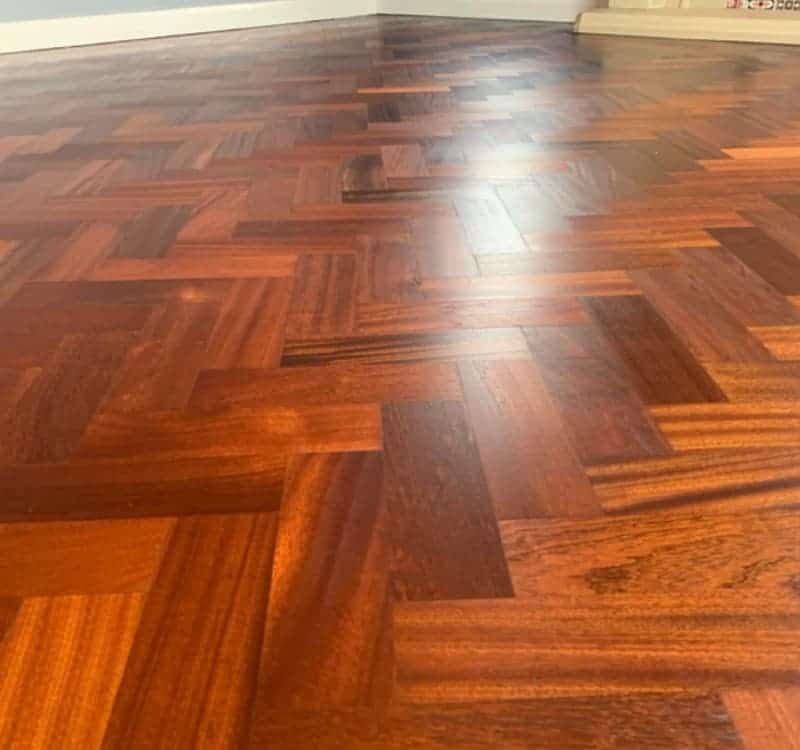
Finding an original parquet floor beneath an old carpet can be an opportunity to preserve a distinctive feature of a property. But before choosing a colour or finish, it is worth understanding whether the individual blocks are secure and how much work the floor needs.
A survey identifies loose, missing or damaged blocks, uneven areas and traces of old surface treatments. Loose blocks may need lifting, cleaning and re-bonding with a compatible adhesive before sanding begins. On older floors, brittle fixing materials and movement between neighbouring blocks can make a seemingly small repair more involved.
Once stable, the surface can be carefully sanded through a sequence of abrasives. Where appropriate, gaps are filled and the floor is refined before a suitable oil or lacquer system is applied. The finish should reflect the timber, expected wear and the appearance the owner prefers.
Often yes, particularly when enough sound timber remains and the floor's underlying condition is good. Replacement blocks, moisture problems and previous repairs should be assessed before making a recommendation.
What professional ceramic tile cleaning can improve, how to treat stained grout and when sealing or replacement may be more appropriate.
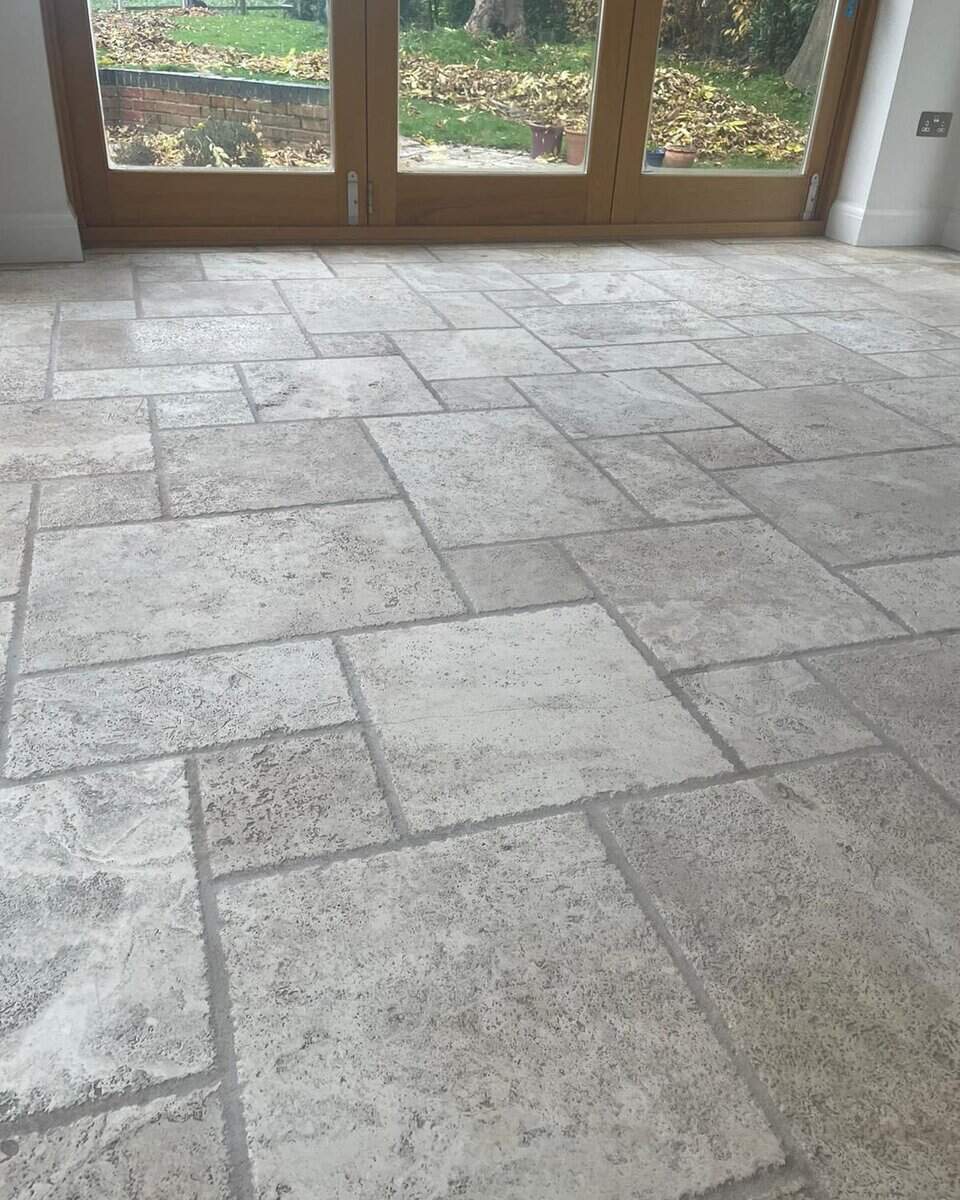
How professional travertine floor restoration can address soil, small voids, worn finishes and suitable polishing or sealing treatments.
When granite floor cleaning, surface polishing or local repairs may help, and why even a hard stone is not completely immune to damage.
Photographs, approximate measurements and a postcode are enough for us to give you an initial view.