Tile restoration advice13 November 2026
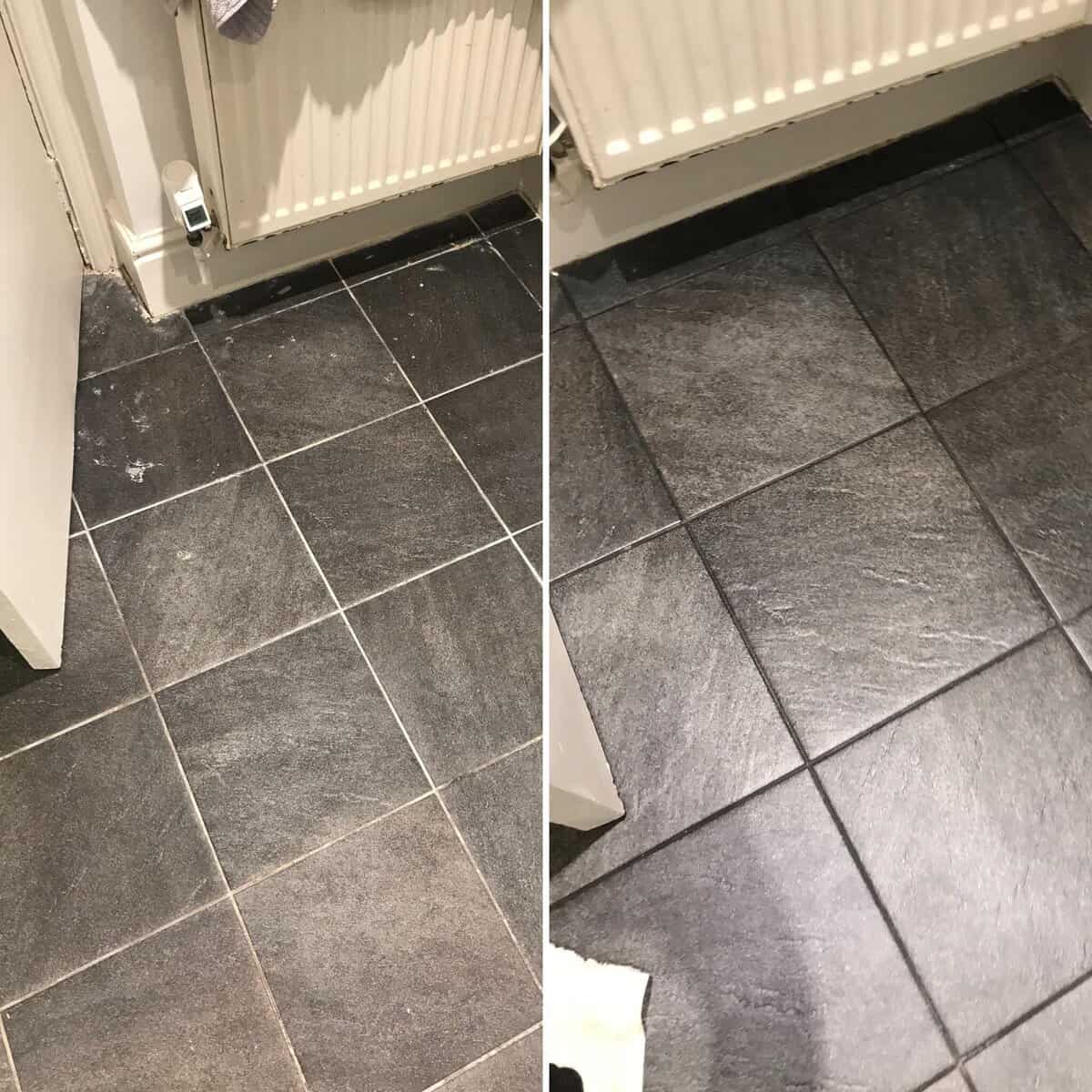
Ceramic Tile and Grout Cleaning: Professional Restoration Options
What professional ceramic tile cleaning can improve, how to treat stained grout and when sealing or replacement may be more appropriate.

A practical comparison of oil and two-component lacquer, based on Hemmings' original oak-board coffee, wine and water stain test.
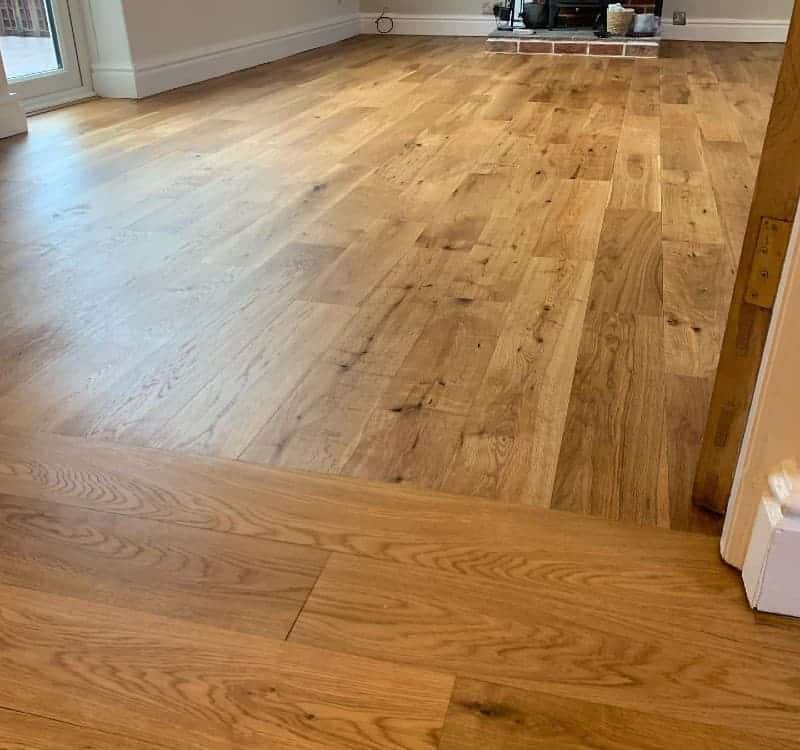
Choosing a timber-floor finish is about more than gloss level. Some homeowners prefer the grain and warmth of an oiled floor; others prioritise a lacquered surface for busy family or commercial use. Hemmings compared Pallmann Magic Oil Ergo 2K with a two-component lacquer in a simple workshop stain test.
An oil finish is worked into the wood and gives a distinctive look and feel. With the right system, small areas may sometimes be cleaned, maintained or repaired without sanding an entire room. A two-component lacquer combines a finish with a separate hardener to form a surface coating. It is commonly specified where abrasion resistance and straightforward cleaning are priorities.
Neither finish makes wood impervious to damage. Heavy furniture, grit, standing water and unsuitable cleaners can affect both.
The team used two spare engineered-oak boards from a restoration project:
The original article noted that liquid appeared to bead differently on the two finishes. Temporary darker marks were visible on the oiled board before moisture dissipated. After cleaning and drying, the test did not identify a clear winner or lasting obvious damage.
This was one informal test, using particular products and samples. It does not prove that a finish is stain-proof, that all oils behave alike or that spill response will be identical on a finished floor. The most useful lesson is that spills should be cleaned promptly regardless of finish.
Consider how the floor will be used, whether local repairs are likely, the appearance of the wood, cleaning routines and the manufacturer's recommended curing period. A kitchen, a heavily used hallway and a quiet bedroom may justify different choices. Hemmings can show samples before a finishing specification is agreed.
What professional ceramic tile cleaning can improve, how to treat stained grout and when sealing or replacement may be more appropriate.
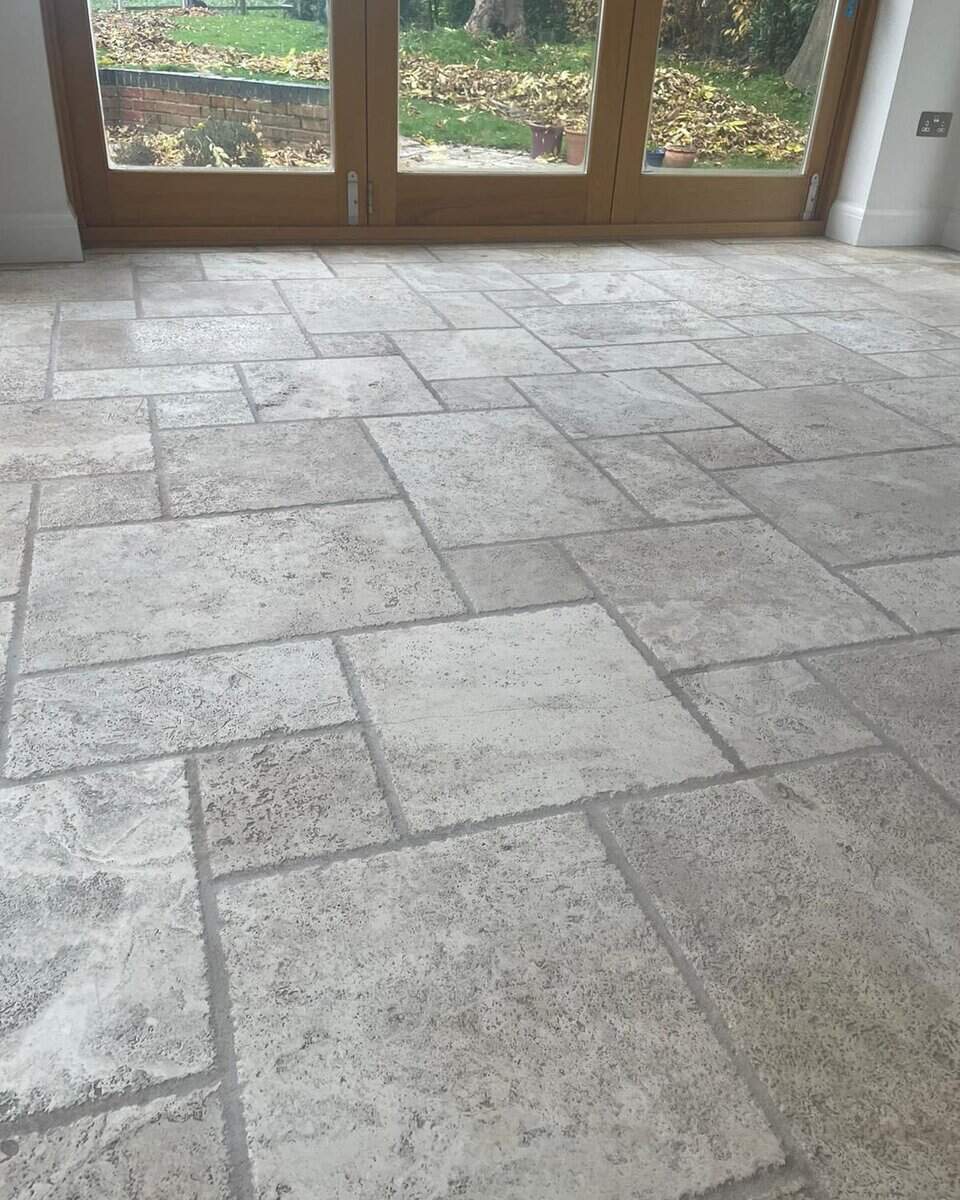
How professional travertine floor restoration can address soil, small voids, worn finishes and suitable polishing or sealing treatments.
When granite floor cleaning, surface polishing or local repairs may help, and why even a hard stone is not completely immune to damage.
Photographs, approximate measurements and a postcode are enough for us to give you an initial view.