Tile restoration advice13 November 2026
Ceramic Tile and Grout Cleaning: Professional Restoration Options
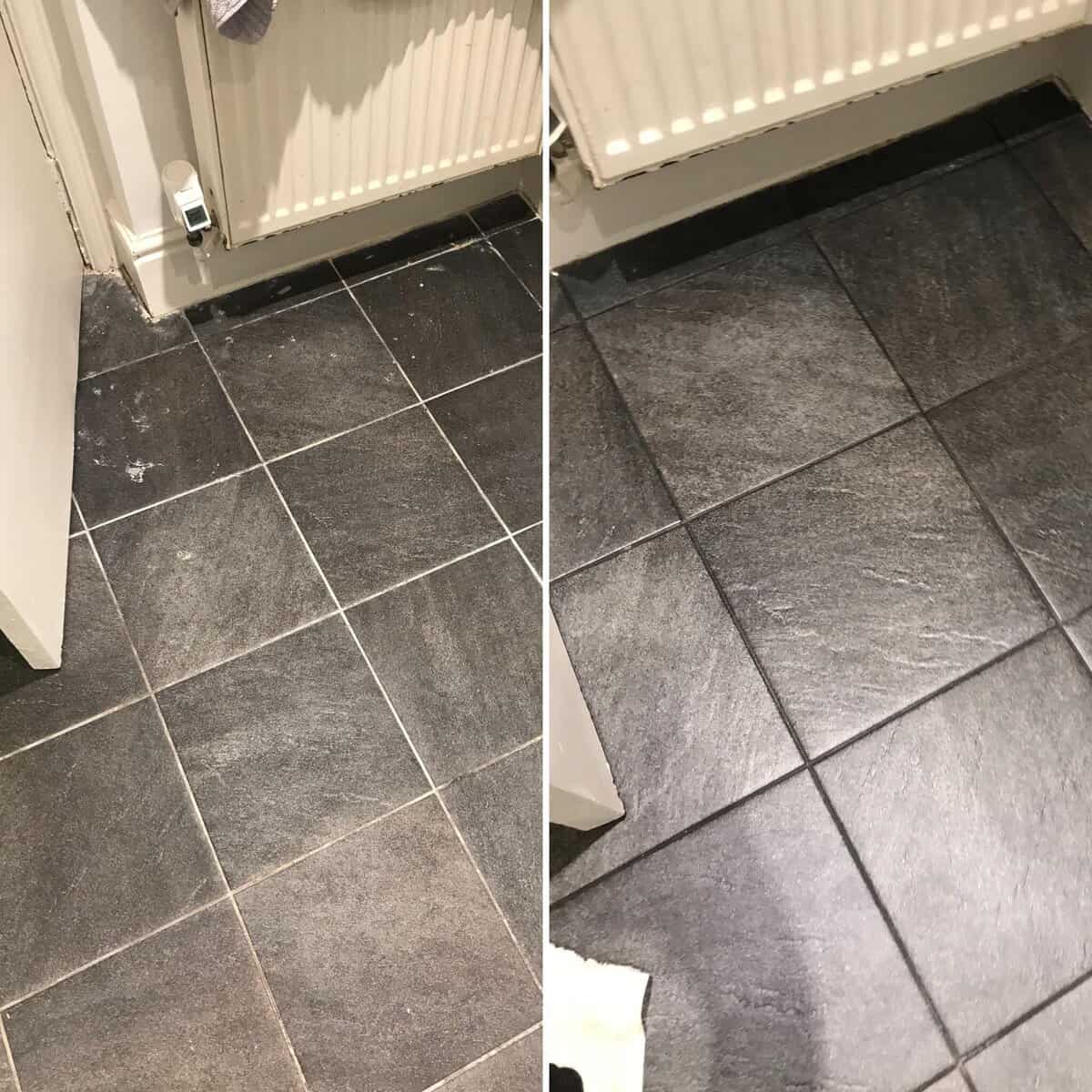
What professional ceramic tile cleaning can improve, how to treat stained grout and when sealing or replacement may be more appropriate.

How suitable cleaners, grit control and material-specific maintenance help preserve a professionally restored floor.
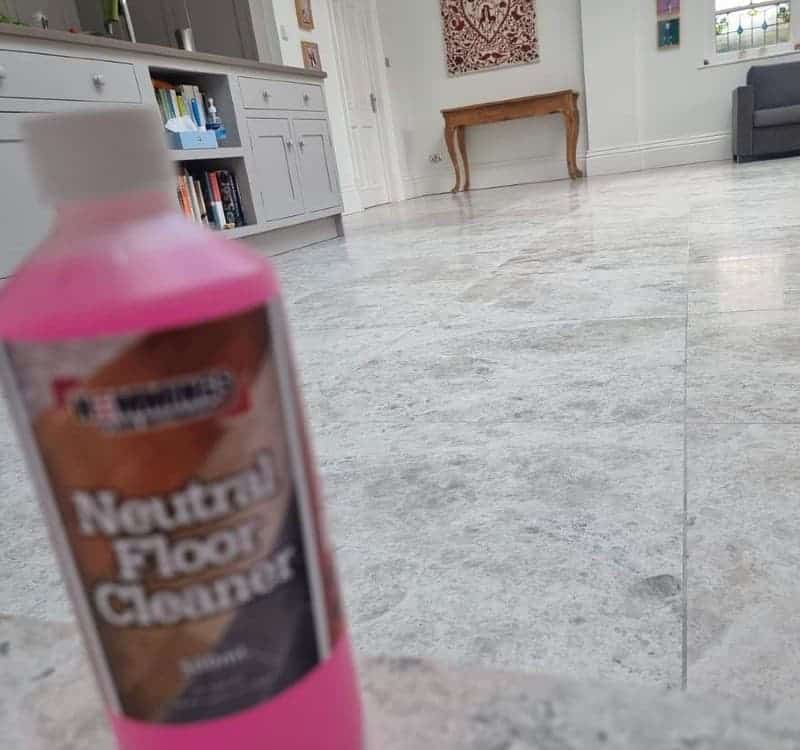
A restored floor can look excellent on completion, but the decisions made afterwards affect how it ages. Hemmings' original aftercare article explains why the right advice and cleaning products matter alongside the restoration itself.
Timber oils, lacquers, marble, limestone, porcelain, terracotta and LVT are not interchangeable surfaces. Some need a neutral cleaner, some have manufacturer-specific maintenance systems and others may be vulnerable to acidic or abrasive products. More product is not automatically better.
Ask which finish was used and keep the written care guidance with the property's records. If you are unsure what has been applied, check before using a new cleaning chemical.
Small particles tracked through hallways can abrade a finish over time. Entrance mats and regular dry cleaning often achieve more than aggressive periodic washing. Protect furniture feet, especially on timber and softer stone.
Do not allow standing water to remain on wood floors or assume a sealed stone floor is waterproof. Blot spills promptly and avoid soaking joints and edges. Follow the advice provided for the installed finish.
Some oiled floors benefit from occasional maintenance products. Natural stone treatments may need assessing for wear or absorption. Heavily used commercial entrances can justify scheduled cleaning or targeted work.
That does not mean every floor needs an annual reseal. The right interval depends on material, traffic and the particular system.
Loose parquet blocks, damaged grout, failing coatings or persistent staining are easier to assess before repeated cleaning or moisture exposure makes matters worse. Photographs and a description can help a specialist decide whether a visit is needed.
Hemmings emphasises giving customers suitable guidance on looking after their restored floors. The aim is straightforward: explain the finish, recommend compatible products and help the customer know when further maintenance is worth considering.
What professional ceramic tile cleaning can improve, how to treat stained grout and when sealing or replacement may be more appropriate.
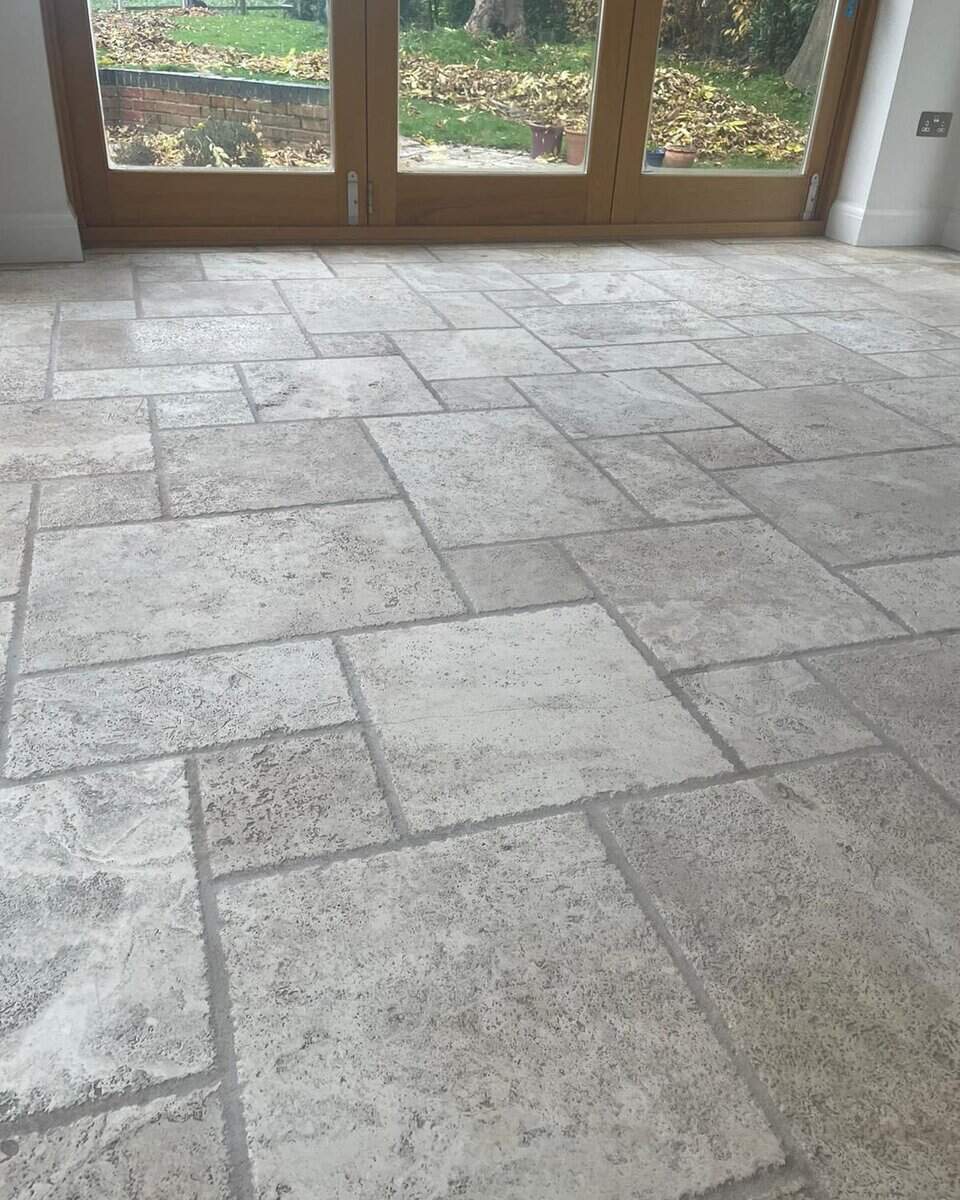
How professional travertine floor restoration can address soil, small voids, worn finishes and suitable polishing or sealing treatments.
When granite floor cleaning, surface polishing or local repairs may help, and why even a hard stone is not completely immune to damage.
Photographs, approximate measurements and a postcode are enough for us to give you an initial view.