Tile restoration advice13 November 2026
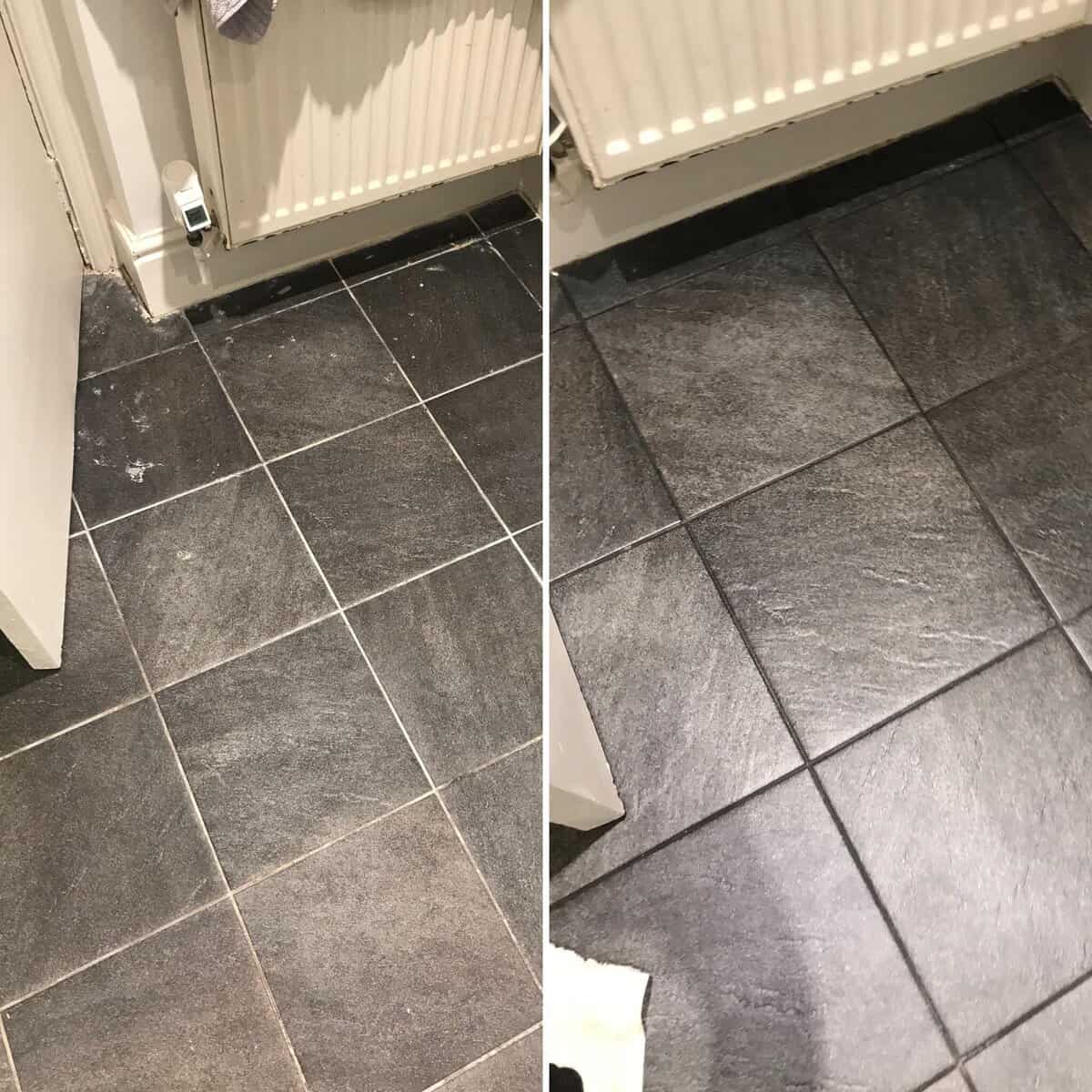
Ceramic Tile and Grout Cleaning: Professional Restoration Options
What professional ceramic tile cleaning can improve, how to treat stained grout and when sealing or replacement may be more appropriate.

A practical introduction to finishing sanded pine boards, choosing between a natural-warm or pale raw-look finish, and following product drying instructions.
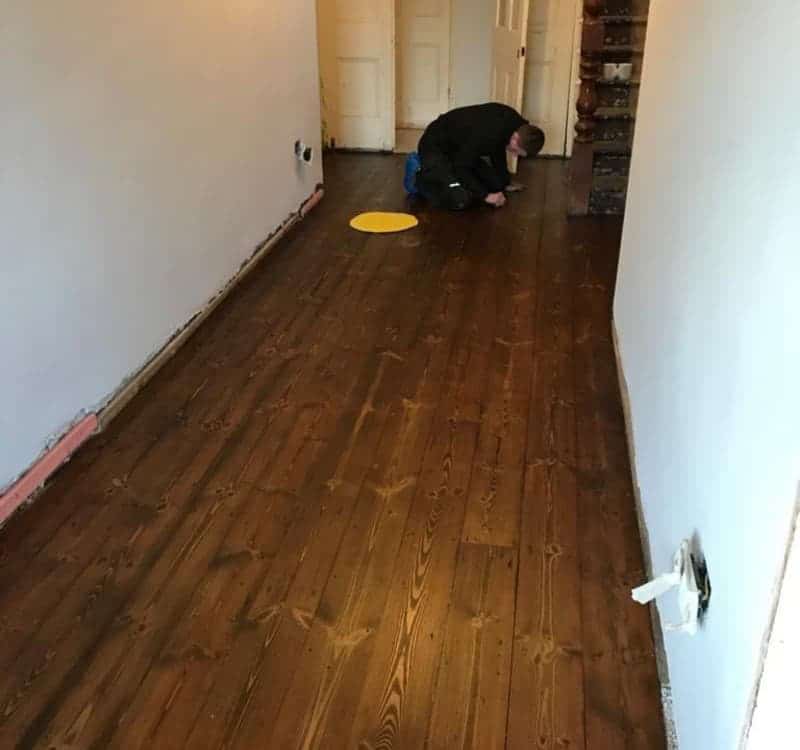
Sanding removes old coatings and exposes the surface of pine floorboards. The next decision is just as important: which finishing system will protect the boards and give the colour you want? Hemmings' original pine-floor finishing guide discusses primer, lacquer, staining and the practical sequence of application.
Freshly sanded pine often looks pale. A conventional clear primer or lacquer may deepen the tone and emphasise a warmer, more yellow colour. That may suit a period room, but it can surprise someone expecting the sanded shade to remain unchanged.
An alternative is a specialist raw-look system intended to retain a lighter appearance. The original Hemmings article used Pallmann X330 Pure primer followed by Pall-X Pure 2K lacquer as an example. Availability and compatibility of branded systems should be verified with current product guidance.
A stain changes the colour beneath the protective finish. Stronger or darker shades may conceal some visual variation, but results depend on the timber, previous marks and preparation. Test patches are essential: pine can absorb products unevenly, and the look of a small sample may change when viewed across the whole room.
The original guide describes using a brush at the edges and a roller across the boards. However, the actual method, spread rate, number of coats and sanding between coats must follow the selected product's current instructions.
Pine is softer than many hardwoods, and application errors can be difficult to hide in daylight. DIY may suit experienced renovators on small, straightforward rooms; damaged boards, uneven staining, previous unknown coatings or a premium finish are good reasons to obtain a professional assessment.
What professional ceramic tile cleaning can improve, how to treat stained grout and when sealing or replacement may be more appropriate.
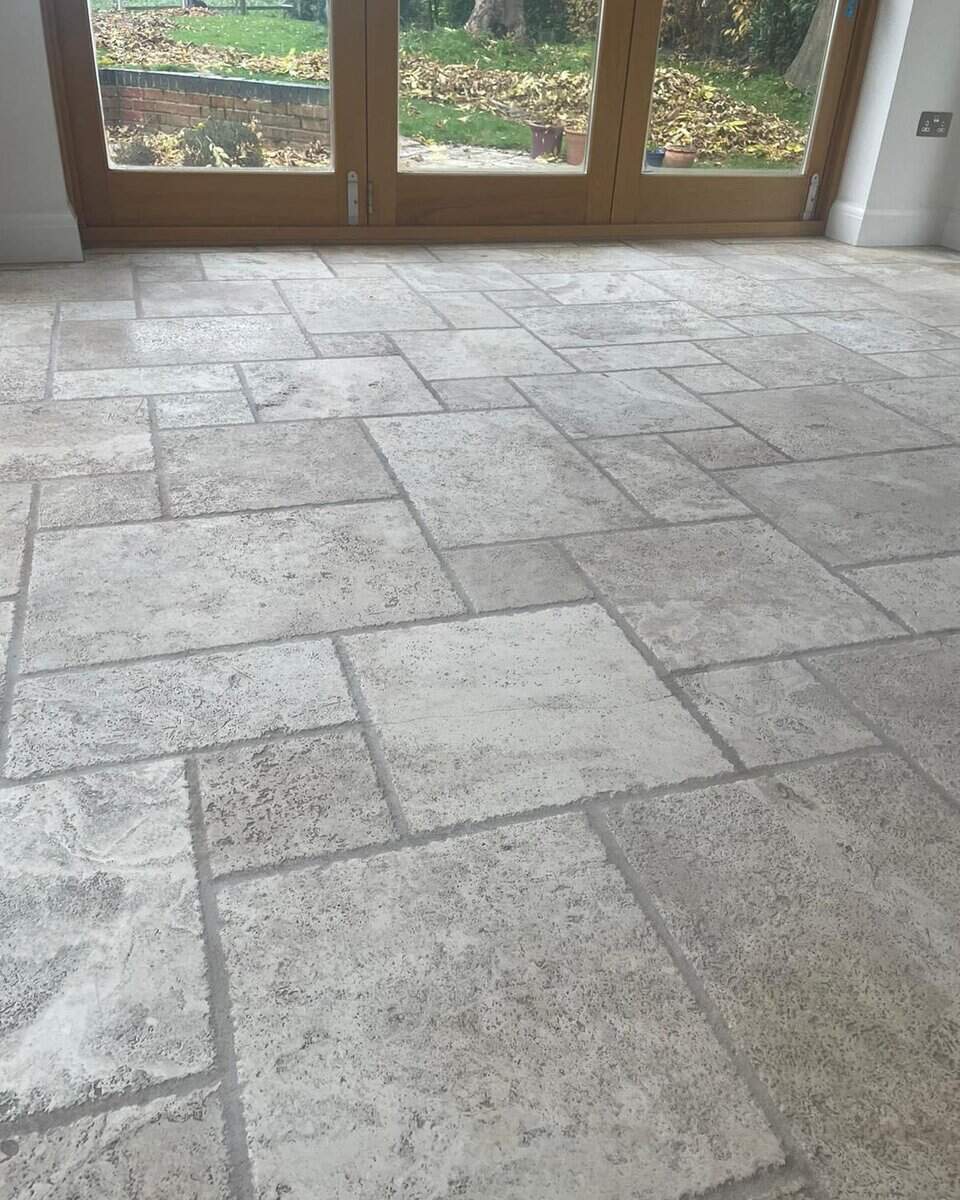
How professional travertine floor restoration can address soil, small voids, worn finishes and suitable polishing or sealing treatments.
When granite floor cleaning, surface polishing or local repairs may help, and why even a hard stone is not completely immune to damage.
Photographs, approximate measurements and a postcode are enough for us to give you an initial view.