Tile restoration advice13 November 2026
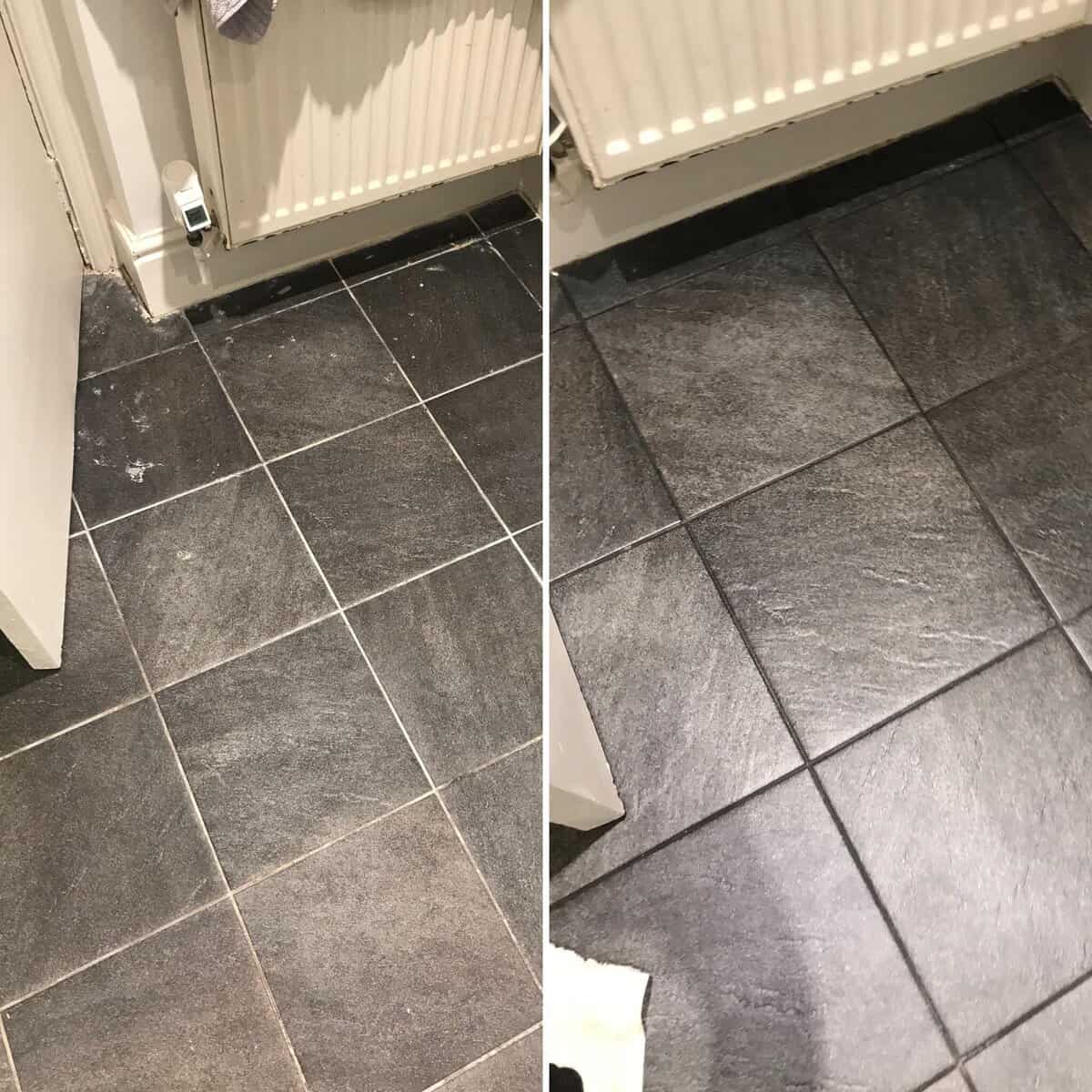
Ceramic Tile and Grout Cleaning: Professional Restoration Options
What professional ceramic tile cleaning can improve, how to treat stained grout and when sealing or replacement may be more appropriate.

A heritage commercial-floor case study at Chesterfield's Church of St Mary and All Saints, balancing sanding, oil finishing and an active church timetable.
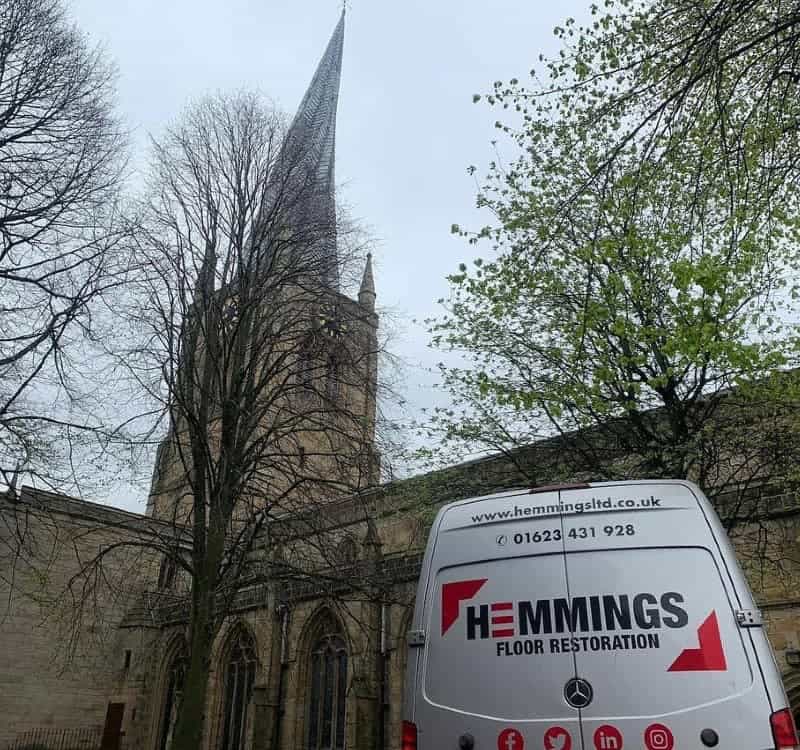
Heritage buildings demand more than a technically sound finish: the work must fit the way a place is used. In April 2022, Hemmings worked on timber floors at the Church of St Mary and All Saints in Chesterfield, commonly known as the Crooked Spire.
The original case study describes timber floors installed around the 1950s, including yang teak. Previous varnish had become worn and discoloured. Years of mopping and general floor polish had also contributed to uneven, thick residue in some areas, while busy routes were worn closer to bare timber.
The aim was to return the timber to a more natural appearance and make future cleaning and maintenance more manageable.
Hemmings considered two approaches with the church warden. One was a sanded and primed floor protected with a two-component commercial lacquer. The other was sanding followed by Pallmann Magic Oil Ergo 2K, with an ongoing oil-care maintenance programme.
The original account explains why the oil system was selected: the building remained in regular use, and local maintenance and a shorter planned return to use were important. Any stated curing period in the historic account applies to that product and those conditions, not to all finishes.
Mass, funerals, visitors and regular church activities continued during the job. The team needed to plan the sanding and finishing stages around those commitments rather than closing the building completely.
The original project account names Paul, Will and Jake on the team. Work began on 28 April 2022, with belt sanding, edge preparation and progressive abrasive refinement. Electrical capacity required adjustment of which machines could run at the same time.
After removing older coating and residue, the surfaces were progressively refined. The team completed the final sanding stages and applied Magic Oil Ergo in sections, using a trowel and buffing away excess finish. The programme had to accommodate a midday service and a funeral later the same day.
The project demonstrates how finish selection, access planning and maintenance arrangements are connected on a busy heritage site.
A well-chosen finish is only part of the specification. The building's opening hours, use of spaces, power provision, previous coatings and long-term maintenance capacity all affect the restoration plan. A site-specific survey is essential.
What professional ceramic tile cleaning can improve, how to treat stained grout and when sealing or replacement may be more appropriate.
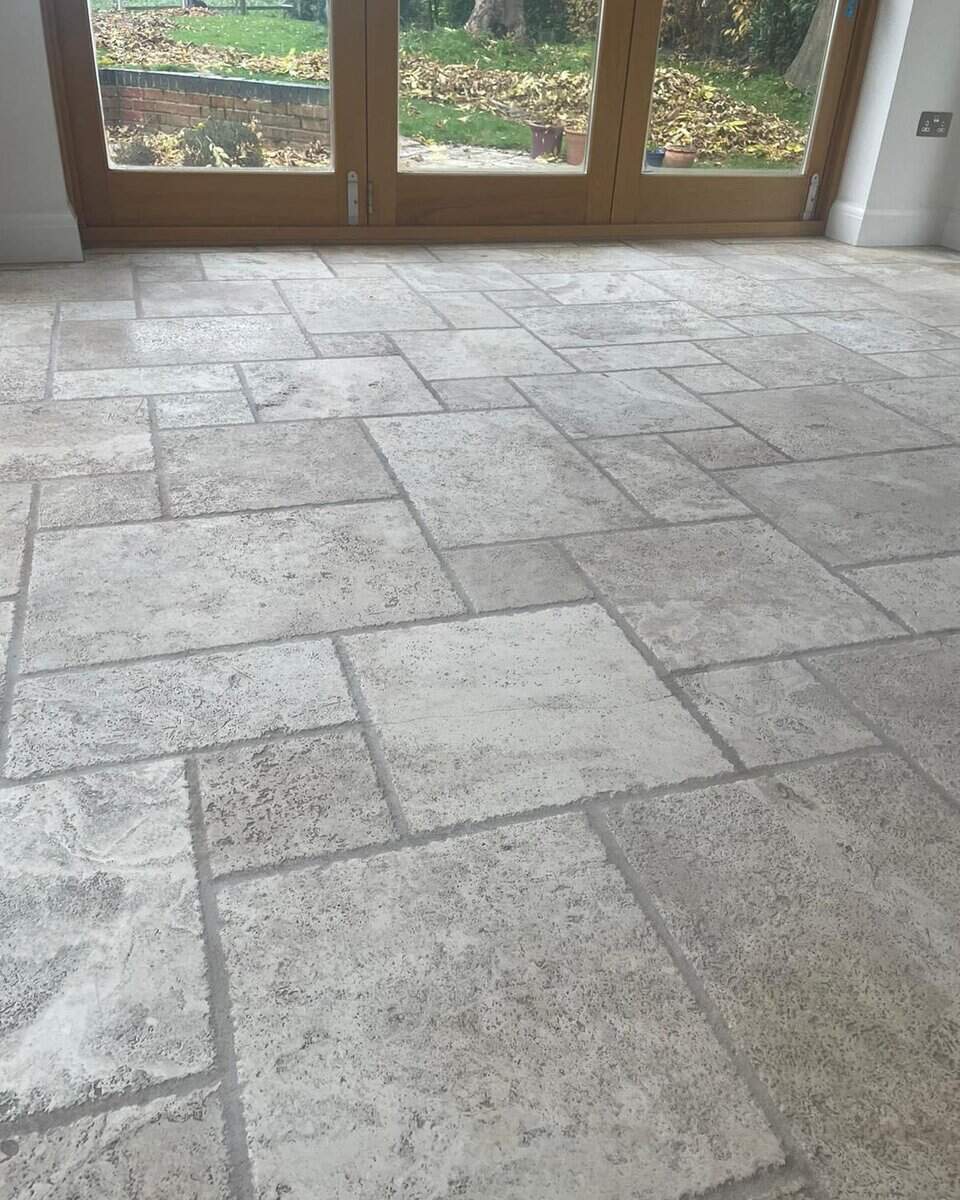
How professional travertine floor restoration can address soil, small voids, worn finishes and suitable polishing or sealing treatments.
When granite floor cleaning, surface polishing or local repairs may help, and why even a hard stone is not completely immune to damage.
Photographs, approximate measurements and a postcode are enough for us to give you an initial view.