Tile restoration advice13 November 2026
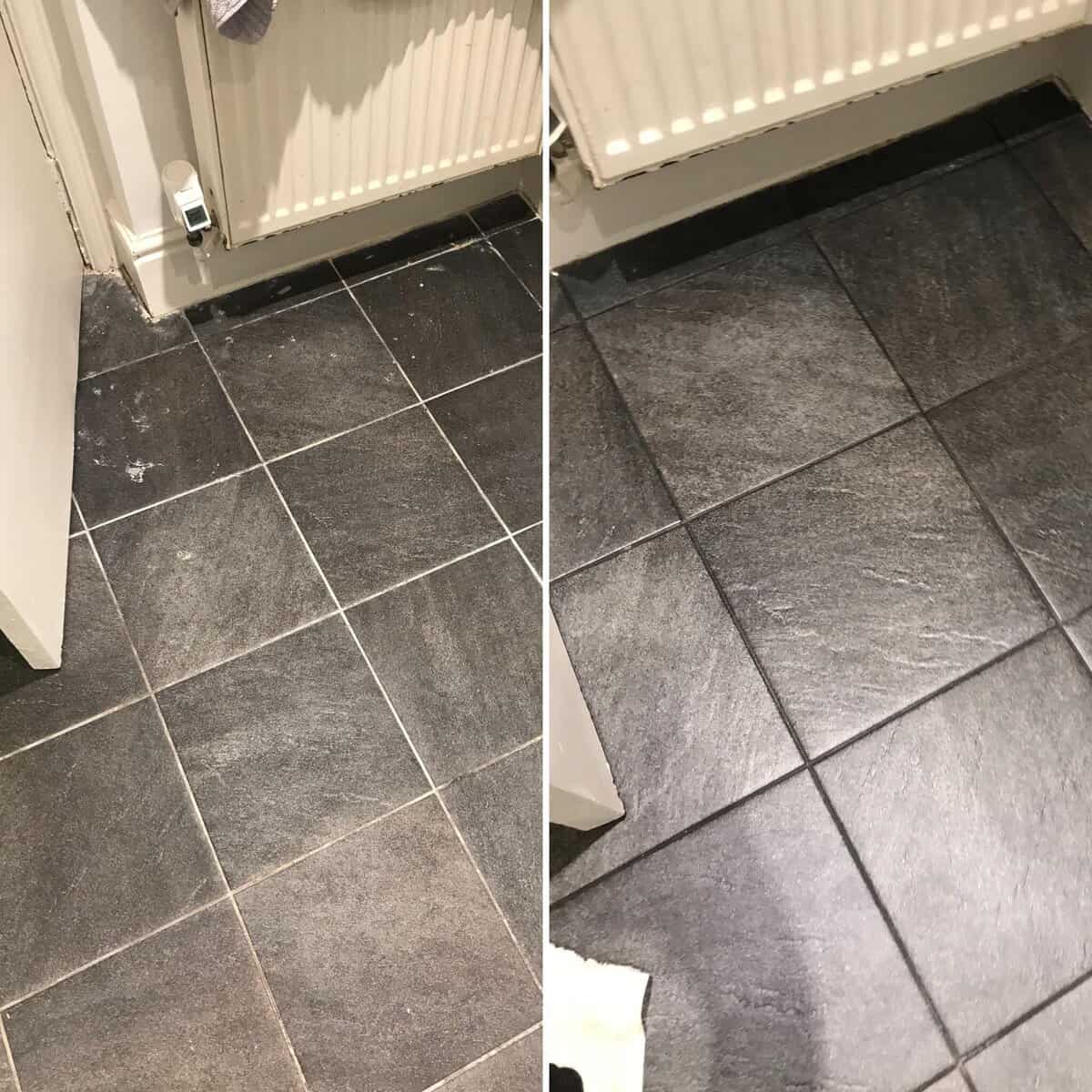
Ceramic Tile and Grout Cleaning: Professional Restoration Options
What professional ceramic tile cleaning can improve, how to treat stained grout and when sealing or replacement may be more appropriate.

A practical guide to the benefits and limits of restoring wood, stone and tiled floors rather than replacing them.
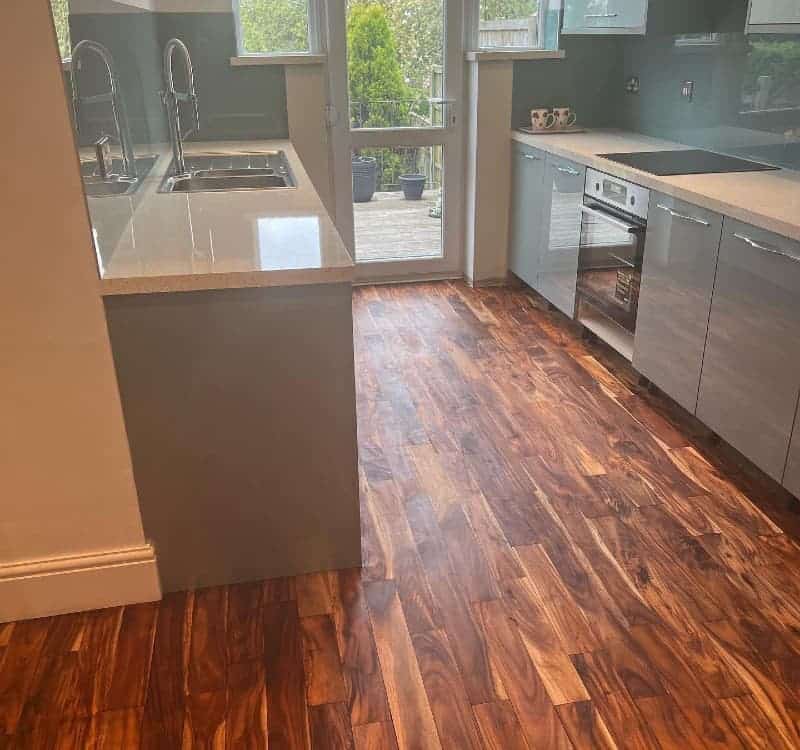
A floor takes more daily wear than almost any other surface in a property. Over time, grit, furniture, spills and foot traffic can leave timber scratched, stone dull and tiles stained. Professional restoration is designed to improve an existing floor where its condition makes that worthwhile.
The result depends on the material. Timber may be sanded, repaired and refinished. Stone can sometimes be deep-cleaned, honed and polished. Certain tiled floors may need grout cleaning, repairs or a carefully chosen sealer.
The goal is not to make every floor look brand new. Heritage materials can retain their texture and character while becoming easier to maintain.
Costs are not automatically lower. Extensive repairs, moisture damage or unstable subfloors can change the comparison, which is why an assessment matters.
The specialist establishes what material is present, how it was installed and what has damaged the surface. They assess previous coatings, stains, loose tiles or blocks, potential moisture problems and the finish the customer wants.
A useful survey should also address the expected use of the room and what level of visual improvement is realistic. For example, deep stains or historic wear may not disappear completely.
Preparation can involve protecting adjacent surfaces, removing residue and repairing damaged areas. Restoration may then include sanding, cleaning, honing or polishing according to the substrate. The final stage is a compatible protective finish or maintenance treatment where appropriate.
Regular dry grit removal, suitable cleaning products and furniture protection help reduce new wear. Some floors need periodic sealing or maintenance treatments. The installer should explain those requirements rather than simply leaving a finished surface.
If the substrate is structurally unsound, wood is too thin to sand, water damage is severe or replacement materials cannot be matched safely, restoration may have limits. The correct decision comes from a floor-specific inspection, not a blanket promise.
What professional ceramic tile cleaning can improve, how to treat stained grout and when sealing or replacement may be more appropriate.
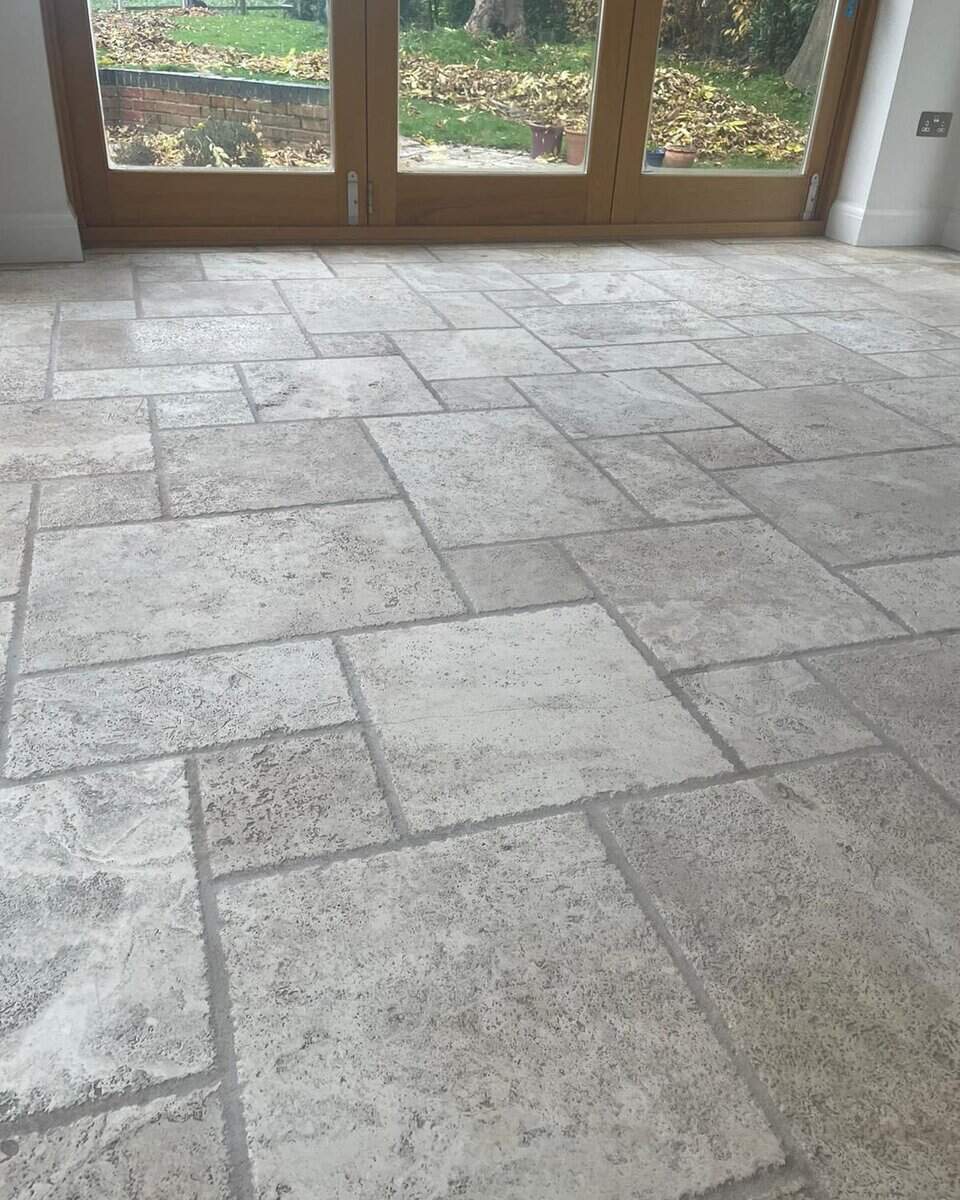
How professional travertine floor restoration can address soil, small voids, worn finishes and suitable polishing or sealing treatments.
When granite floor cleaning, surface polishing or local repairs may help, and why even a hard stone is not completely immune to damage.
Photographs, approximate measurements and a postcode are enough for us to give you an initial view.