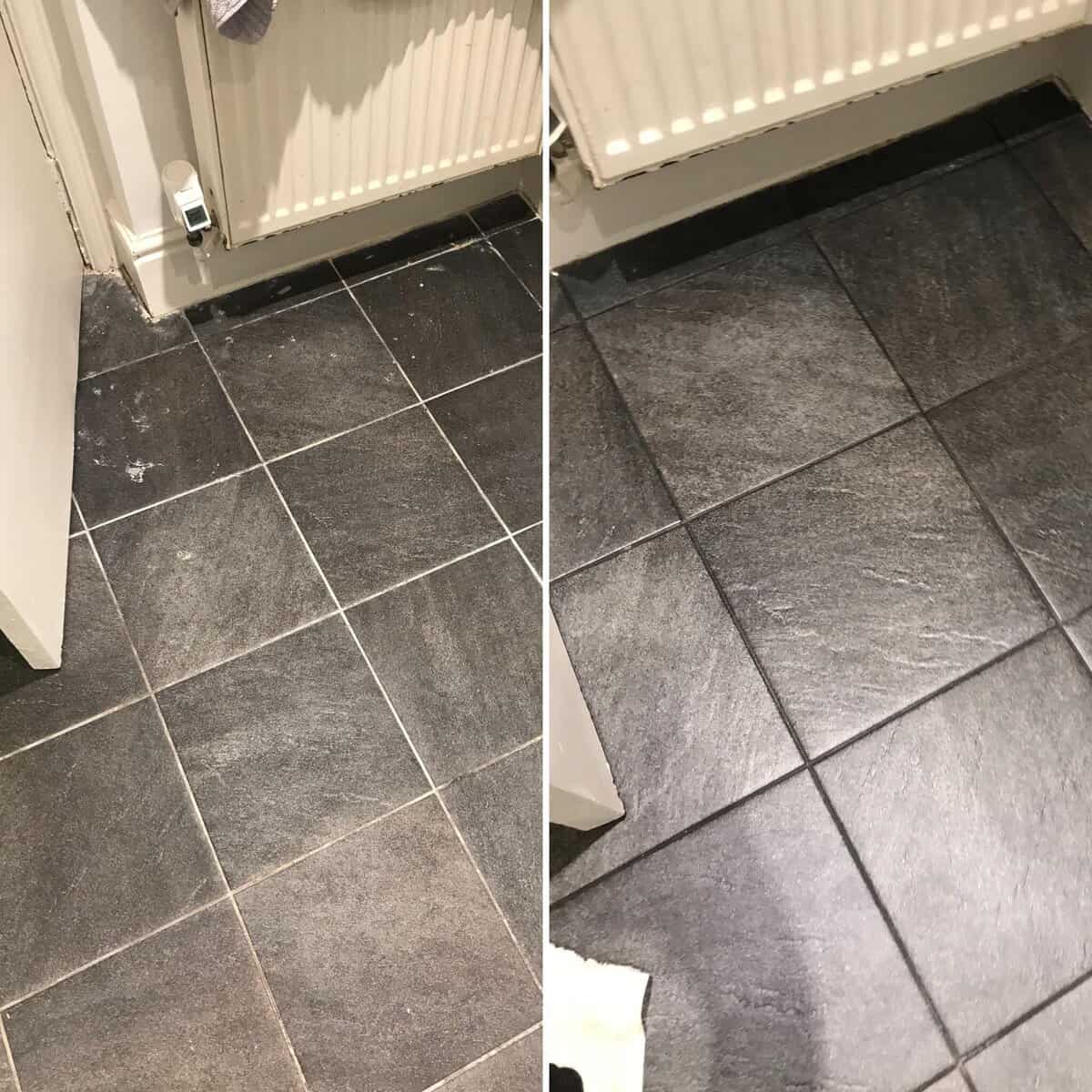
Tile restoration advice13 November 2026
Ceramic Tile and Grout Cleaning: Professional Restoration Options
What professional ceramic tile cleaning can improve, how to treat stained grout and when sealing or replacement may be more appropriate.

An accessible comparison of single-component and two-component lacquers, including traffic, mixing, appearance and maintenance considerations.
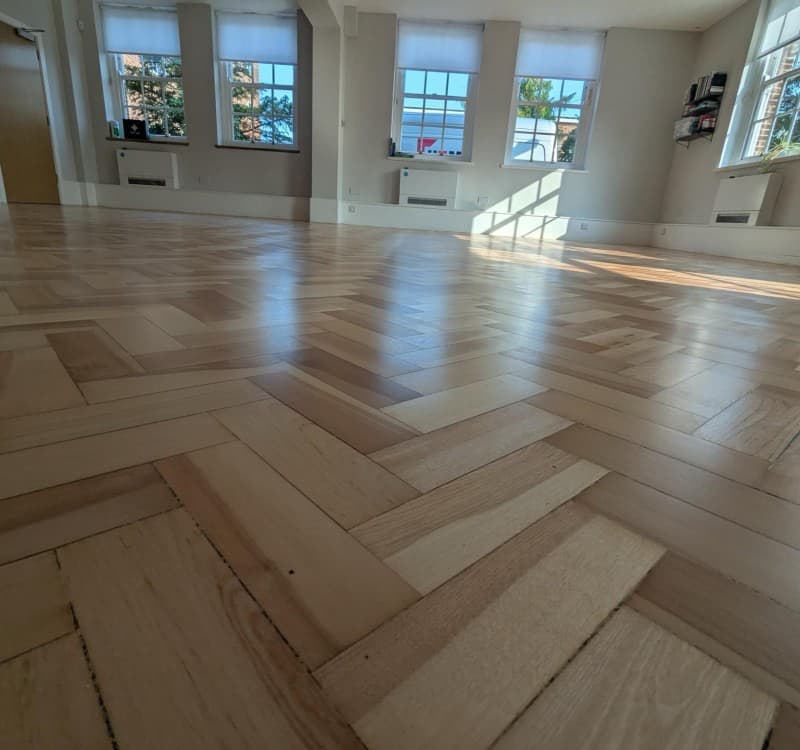
Choosing a protective finish for a sanded timber floor is not simply a matter of picking matt or gloss. A common question when refinishing timber concerns the difference between single-component (1K) and two-component (2K) lacquer.
A 1K lacquer is supplied as a single-component product ready for use according to the manufacturer's instructions. It is commonly used on timber floors where the specified product offers appropriate performance for the expected traffic.
Different 1K products vary in drying time, appearance, composition and suitability. The label alone does not determine the quality of the finish.
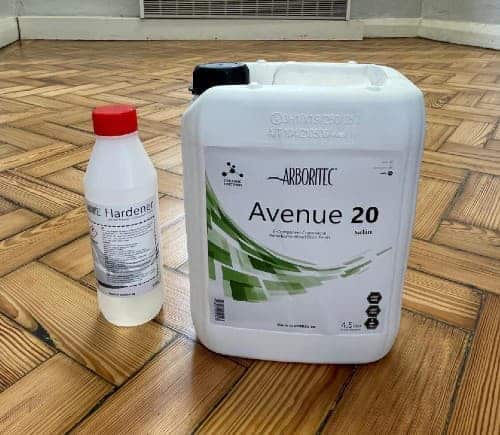
A 2K lacquer uses two components, typically a finish and a hardener, combined before application. Many professional 2K systems are specified for demanding residential or commercial traffic, but correct mixing, pot life, drying and curing are critical.
The particular formulation matters. Not every two-component lacquer has identical hardness, slip characteristics or appearance.
Consider the timber species, the existing floor, household or commercial use, maintenance requirements and expected access restrictions. Kitchens, halls and retail spaces may place different demands on the coating.
An oil or other specialist system may also be worth discussing if a natural-looking finish and local maintenance are priorities. Oil and lacquer are not interchangeable, and neither guarantees a scratch-proof surface.
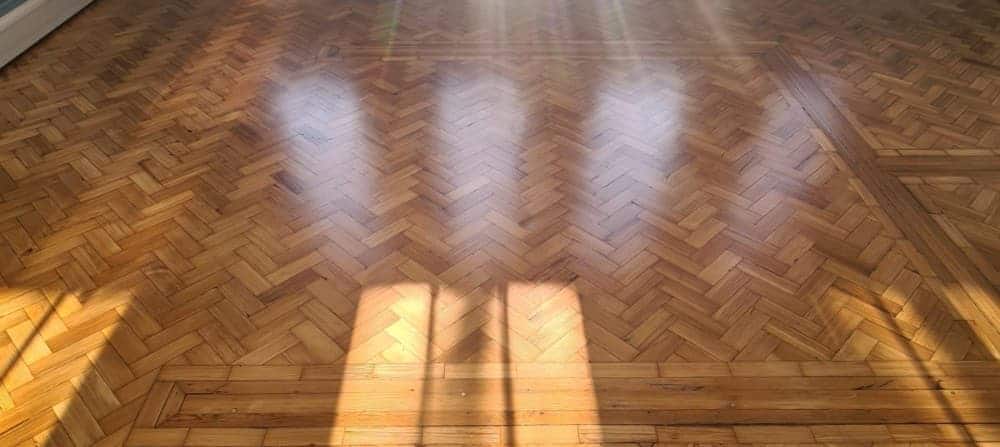
Modern lacquers come in different sheens. A test patch helps show the appearance on the actual wood, particularly where old and replacement boards sit together.
Aftercare depends on the specific finish. Avoid harsh cleaners, protect furniture feet, manage grit and respect the manufacturer's full curing guidance.
Rather than selecting from a generic chart, it is better to describe how the room is used, the timber, desired look and likely wear. Hemmings can use that information during an assessment to discuss suitable systems.
What professional ceramic tile cleaning can improve, how to treat stained grout and when sealing or replacement may be more appropriate.
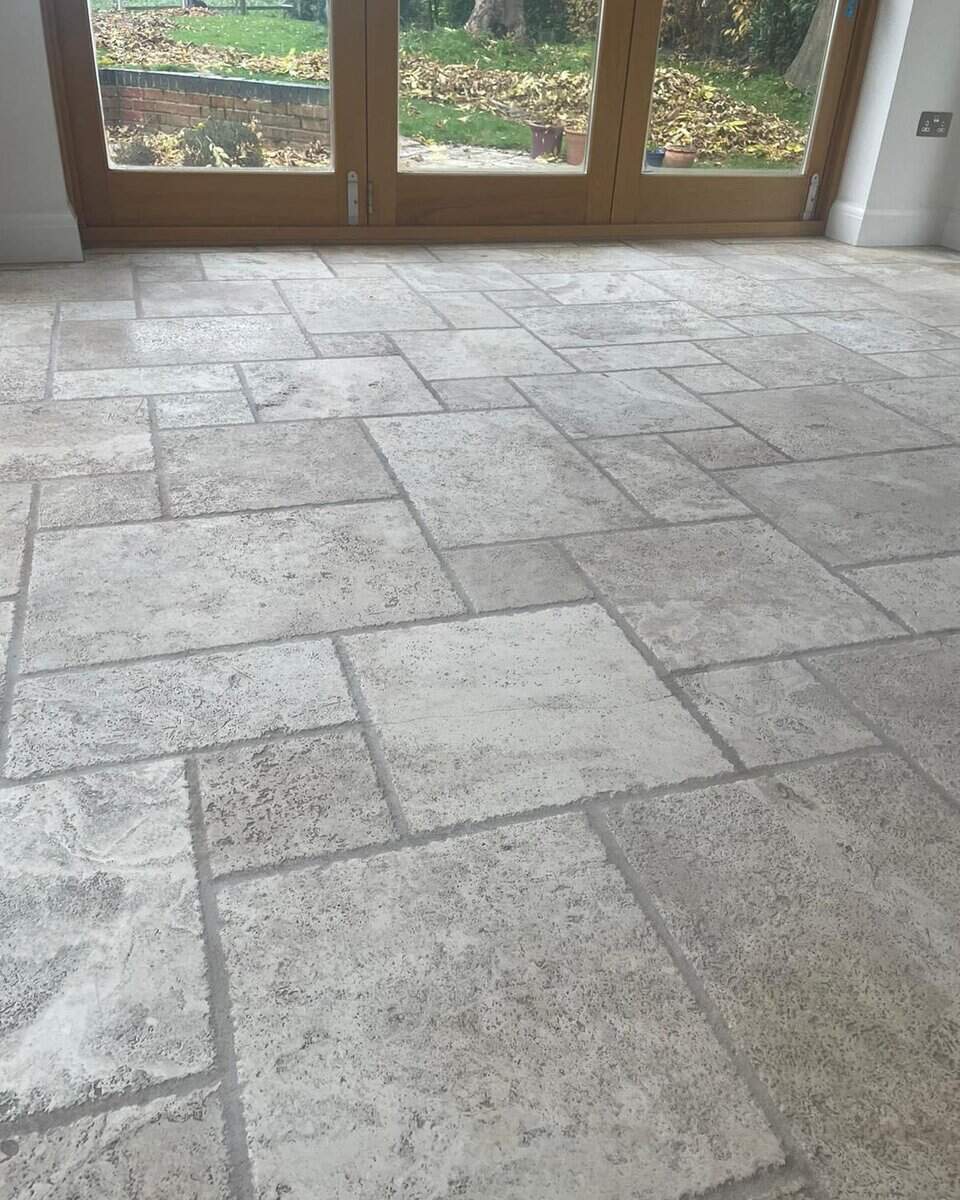
How professional travertine floor restoration can address soil, small voids, worn finishes and suitable polishing or sealing treatments.
When granite floor cleaning, surface polishing or local repairs may help, and why even a hard stone is not completely immune to damage.
Photographs, approximate measurements and a postcode are enough for us to give you an initial view.